




Capsule wardrobe: how many and which bags do you really need
When it comes to capsule wardrobes, the focus is almost always on clothing, while accessories often take a backseat. Yet they are precisely what determines whether an outfit really works or not. Let's discover how many bags you really need, which ones to choose, how to match them, and which mistakes to avoid.
What is a capsule wardrobe and why do accessories matter
A capsule wardrobe is a carefully selected selection of clothing and accessories, designed to be mixed and matched together in a versatile way. The concept originated in the 1970s and was codified by British designer Susie Faux. The basic idea is to have fewer pieces, but all truly useful. In fact, anyone who builds a capsule wardrobe while ignoring accessories will barely achieve half the result.
The selection criteria for accessories follow the same logic as for clothing: quality over quantity, neutral colors, and maximum versatility. A capsule accessory must work in at least three different contexts: work, leisure, and more formal occasions.
The essential accessories for a capsule wardrobe
A complete capsule wardrobe includes a few categories of accessories.
Bags, the heart of the capsule wardrobe
Bags are the most important and complex accessory to select. They must combine functionality, aesthetics, and durability. In a capsule, every bag must have a precise reason for being there—no duplicates allowed!
Handcrafted vegan shoulder bags are often the ideal choice for the centerpiece of a capsule. Made from quality materials, they offer a clean silhouette suitable for multiple contexts, from work to leisure.
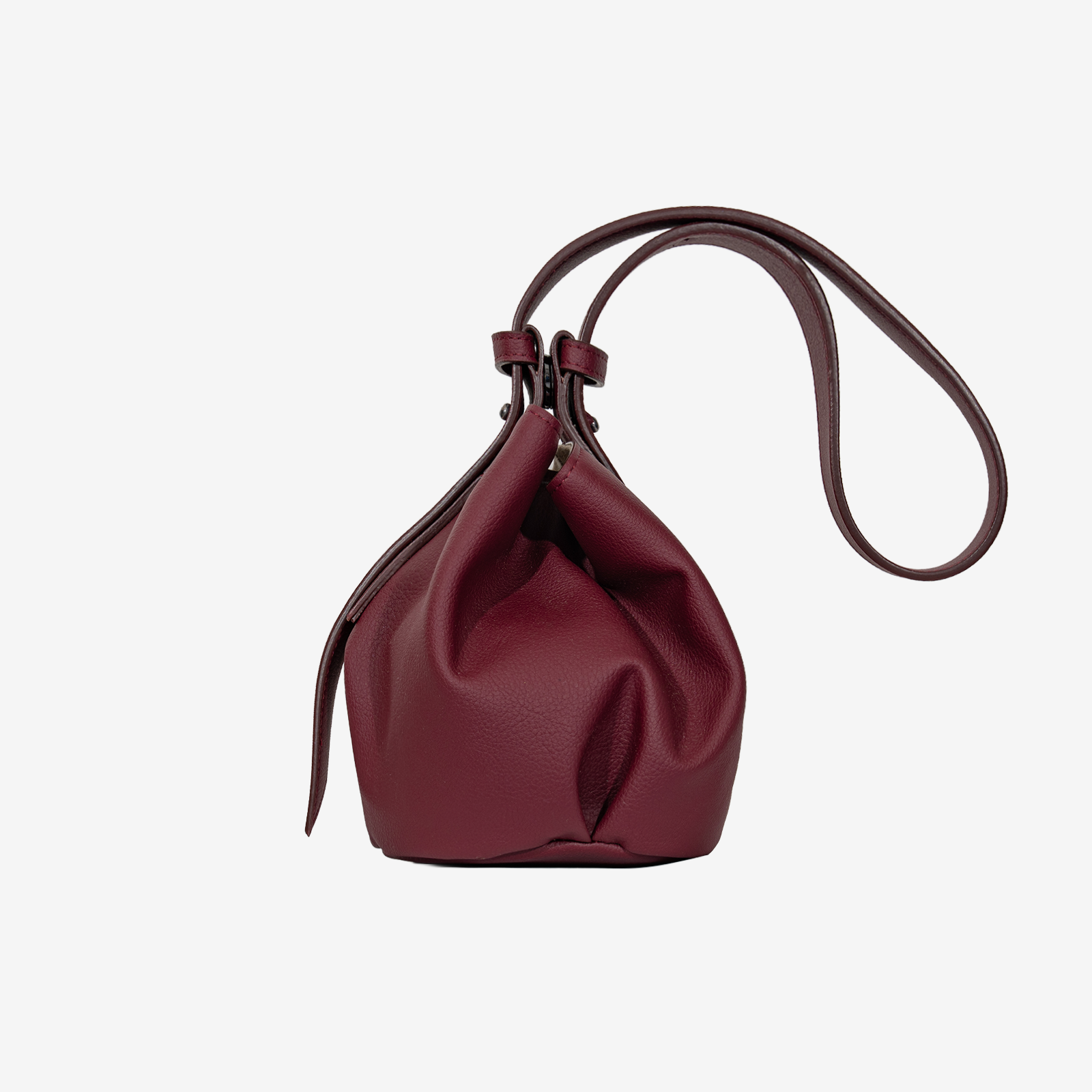
Vegan crossbody bags, on the other hand, are the most practical piece in the selection. Free hands, an adjustable strap, and compact dimensions make them perfect for daily errands and weekend getaways.
For evening occasions or more polished settings, eco-sustainable vegan clutches complete the capsule. Minimalist in shape, they are capable of transforming a casual look into something more defined.
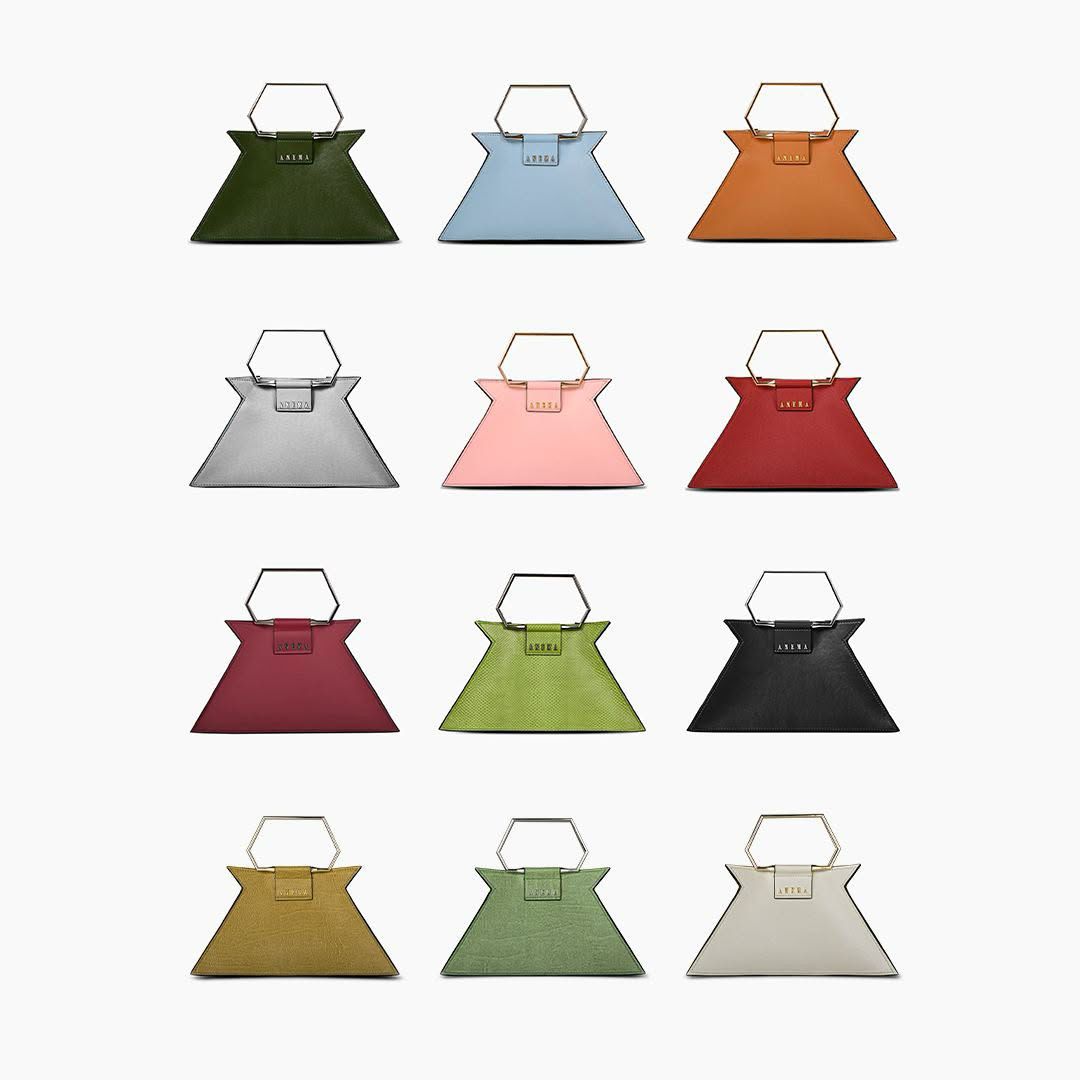
Vegan handbags, finally, are the fourth element that many people add to their capsule for more formal contexts or days when they need more space in their bag. We are talking about a structured handbag: a piece that never goes out of style.
Scarves and neck scarves
A silk scarf is one of the most versatile accessories there is. It can be worn around the neck, as a headband, tied to the handle of a bag, or as a light belt over a dress. The same applies to scarves: one in a lightweight fabric for the transitional season and one heavier for winter are enough.
Minimalist jewelry
In a capsule wardrobe, jewelry serves to complete the look without overpowering it. The metal should be chosen based on your skin tone and kept consistent across the pieces.
Belts
A thin belt and a wider one in neutral colors cover different aesthetic and practical needs. As with bags, the quality of the material and craftsmanship determines how long they will last.
How many bags do you really need? The 3 (+1) rule
The short answer is: three bags, with an optional fourth. It is a number that covers almost all everyday situations without creating redundancy. The day bag is spacious, structured or semi-structured, and suitable for the office or running errands.

The compact crossbody bag is smaller and more informal, to be used for weekends, quick outings, or trips. The evening clutch is essential and elegant.
The fourth bag is optional and depends on your lifestyle. It is not a requirement: it should only be added if it covers a real function that the other three do not.
Sustainable materials for accessories that last over time
Buying less means buying better to ensure you have pieces that can last over time, withstanding daily use.
The preconceived notion that innovative products are short-lived is a mistaken "popular opinion."
Just thinking about innovative research and the materials that have been introduced to combine biological-based materials with natural binders would be enough to ease our doubts.
Bio-based materials are in a completely different category and should not be confused with the now-outdated "eco-leather."
New innovative bio-based fabrics are produced entirely or partially from renewable biomasses (cactus, orange, apple, corn, pineapple, grape, and many more).
They come from renewable sources, reducing dependence on oil and the water consumption of traditional fashion materials.
In the bag sector, material innovation in recent years has produced high-quality alternatives. Cactus fiber bags, for example, are made with a material derived from nopal pads, a plant that grows in arid climates without intensive irrigation. The result is a soft, durable, and biodegradable material.
Bags made from bio-materials derived from apple peels are also interesting, produced by making the most of food industry waste. Peels and seeds are transformed into a material with a sophisticated aesthetic and multiple textures that are pleasant to the touch.
In general, eco-sustainable vegan bags are excellent additions to a capsule wardrobe: they are designed to last, aesthetically neutral, and compatible with a conscious approach to consumption.
When evaluating an accessory, it is useful to consider not only the material, but also the certification that accompanies it. The PETA Approved Vegan certification, for example, guarantees that no component of the product comes from animals. It is a practical verification tool that simplifies the selection.
Furthermore, we will find additional certifications of the materials themselves during their creation phase, which guarantee durability and sustainability, by foregoing the use of substances such as chemical solvents and other harmful substances.
How to match accessories: 5 typical outfits
But how do you put together outfits? Here are five combinations that show how the three capsule bags can be used in real contexts.

1. Day at the office
Tailored trousers, ribbed sweater, oversized blazer. Structured handbag or shoulder bag in a neutral tone. Thin belt matching the bag. Minimalist jewelry.
2. Casual weekend
Straight jeans, white t-shirt, and denim jacket. Compact crossbody bag. No jewelry, and a scarf tied to the bag handle.
3. Aperitivo or casual dinner
High-waisted skirt with a shirt. Minimalist clutch. Thin earrings.
4. Trip or busy day
Comfortable, layered outfit. Spacious tote as the main bag to carry everything you need. Crossbody bag as a second piece to keep your phone and documents close at hand.
5. Formal occasion
Elegant dress or suit. Structured clutch. Jewelry in a matching palette and scarf around the neck.
What mistakes should you avoid?
Building an accessory capsule is not as simple as it seems. Let's discover the most common mistakes.
- Choosing pieces that are too trendy—capsule accessories must last over time, not be replaced every season;
- Ignoring the color palette—a capsule works if the pieces complement each other.
- Buying low-cost accessories—poor-quality material is obvious and noticeable, and an accessory that deteriorates in a few months will be useless;
How to care for accessories
The lifespan of an accessory depends on both the quality of the material and the care given to it. Some basic rules apply to almost all materials.
- Store bags in shape: soft materials will deform if stored flat or stacked;
- Protect from moisture and direct light: bio-based and plant-based materials are generally resistant, but it is always best to avoid prolonged exposure to the sun;
- Clean regularly; for example, bio-based materials can be dabbed with a damp cloth to remove stains and marks;
- Repair rather than replace.
FAQ
Can I build an accessory capsule wardrobe on a limited budget?
Yes, but it is best to take it step by step. Start with the day bag and invest there. Add the other pieces over time.
How many colors should the accessories in a capsule have?
The general rule is to choose two neutral colors plus an optional color. Neutrals work with everything, while the chosen color adds personality.
Conclusion
Building an accessory capsule wardrobe is an exercise in essentialism and choice. A few pieces that last over time and can be effortlessly mixed and matched are ideal.
The quality of the materials, the care in craftsmanship, and consistency with your own values allow you to create a system that works every day without having to think too much about it.

Written by Francesco Esposito