


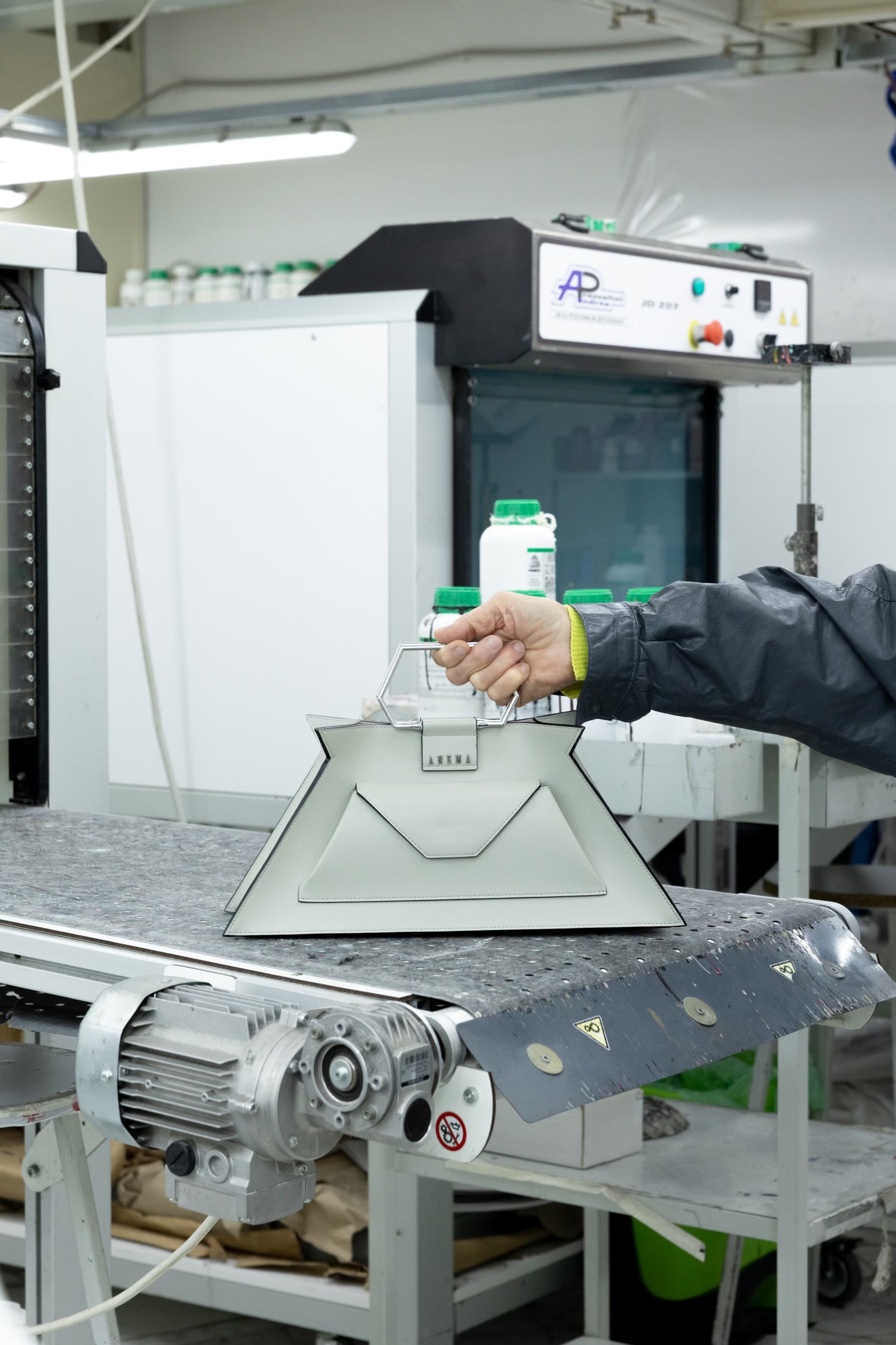
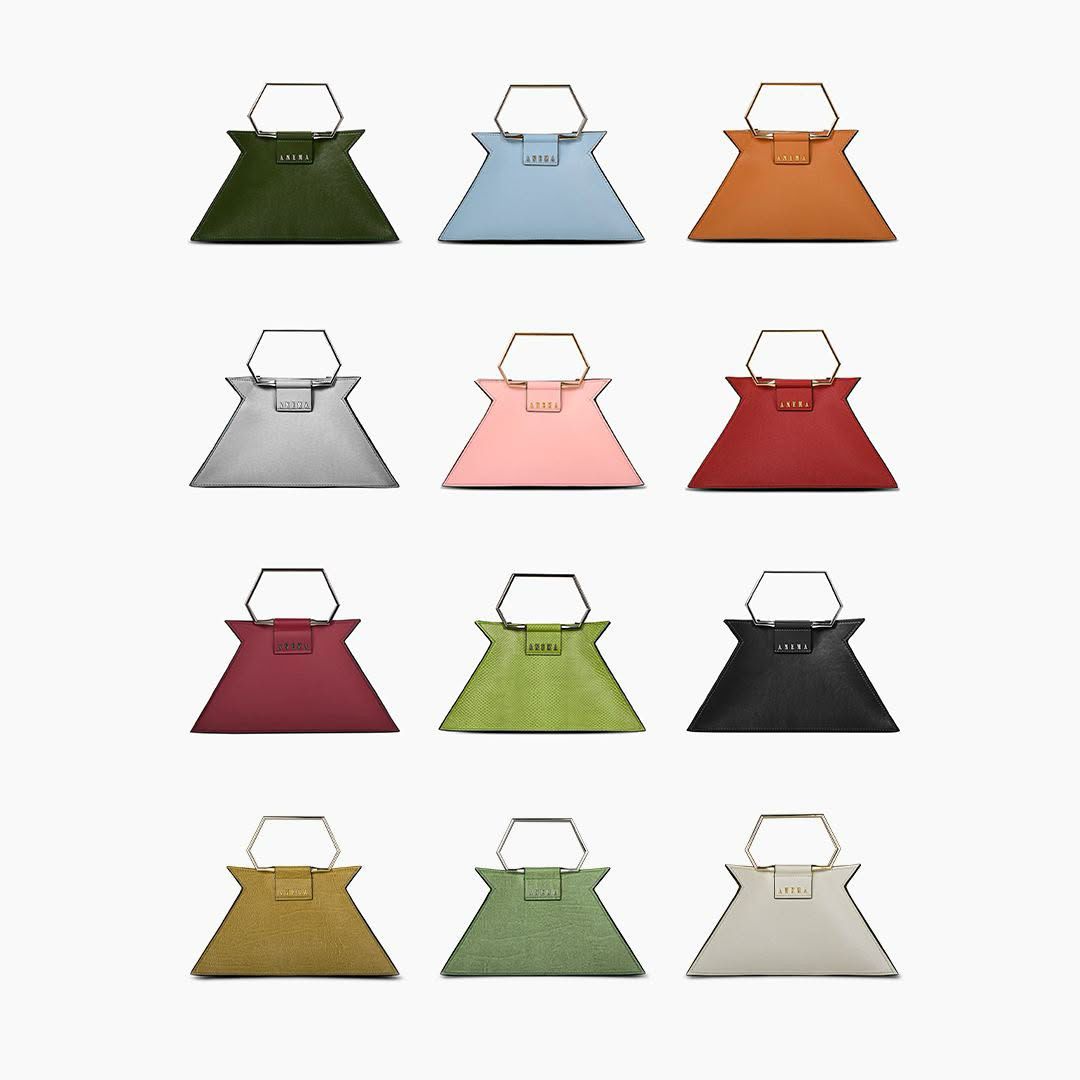

The materials used in our vegan bags
When you choose a material, you tell a story.
The eco-sustainable and vegan Anema Bags bags speak through the fibers that compose them: organic hemp , cactus that grows in the Mexican desert, apple and citrus peels recovered from the food industry, corn and recycled plastic , but above all no animal skin.
We searched for materials that could be beautiful without harming the planet, that could have a second life , be luxurious and sustainable. Here we tell you where the materials we transform into accessories come from. This is how your new favorite bag is born.

Our mission
True change, the one that lasts, happens one step at a time. Sustainability is a path to be followed with determination, not just the final destination, and this means making concrete choices. Every material we choose must answer specific questions: where does it come from ? Who produces it ? What impact does it have on the planet ? The answers guide our decisions. We want anyone who wears an Anema bag to know exactly what they're holding: transparency, ethics, beauty. Respect for every living being.
Organic hemp
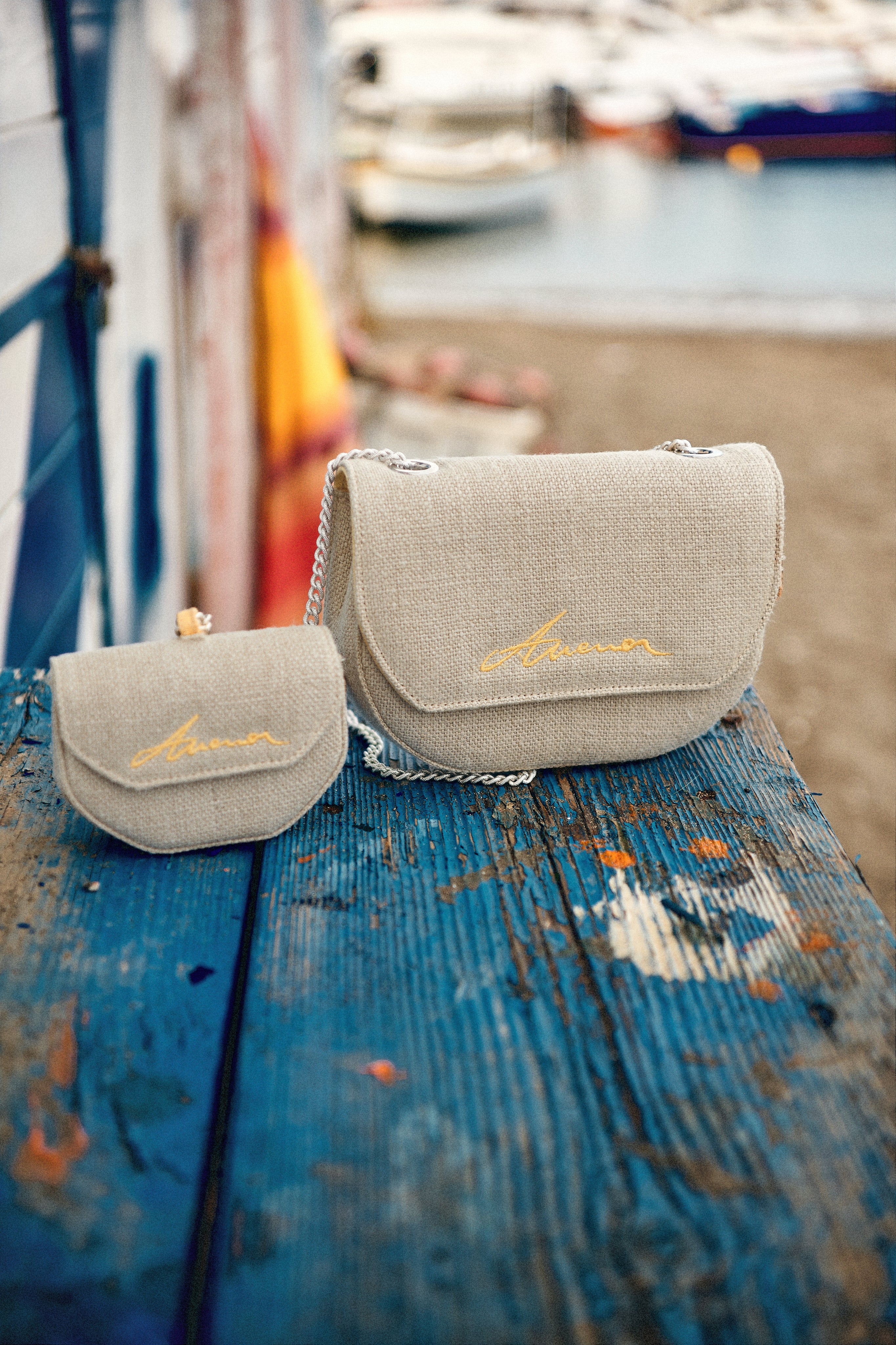
Hemp is one of the most durable natural fabrics available: it stands up to the passage of time, UV rays, and daily use. The color stays vibrant, the fibers don't deteriorate easily, and it also has natural antibacterial properties. We imagine it as the perfect material for an everyday bag: for work, travel, or for happy hour with friends.
We work with GOTS-certified organic hemp, free from pesticides and intensive irrigation. It requires little water, grows quickly, and enriches the soil rather than depleting it. Hemp is the future of sustainable fashion , and our bags use it to withstand time and passing fads, because an accessory should last, not be replaced at the end of the season.
Cactus fiber
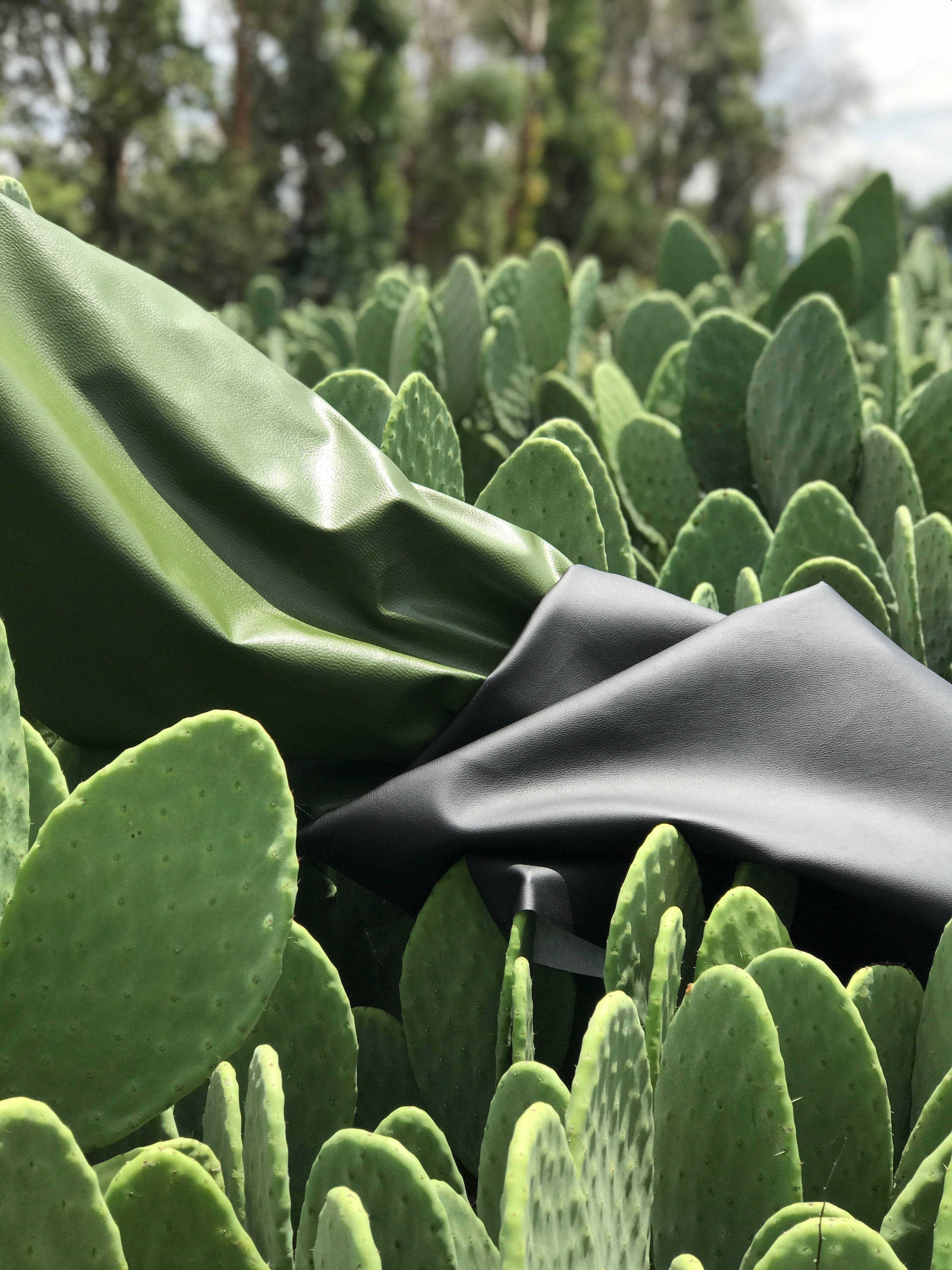
In the Zacatecas desert of Mexico , the Nopal cactus thrives under the sun. Desserto cultivates it using regenerative agriculture, harvesting the mature leaves every six to eight months according to the plant's natural cycles. Irrigation is not necessary: the desert is self-sufficient.
The collected leaves are left to dry in the sun, then turned into powder and mixed with non-toxic binders to create a vegan material with a leather-like texture. It is PETA approved and partially recyclable and biodegradable .
Apple peels
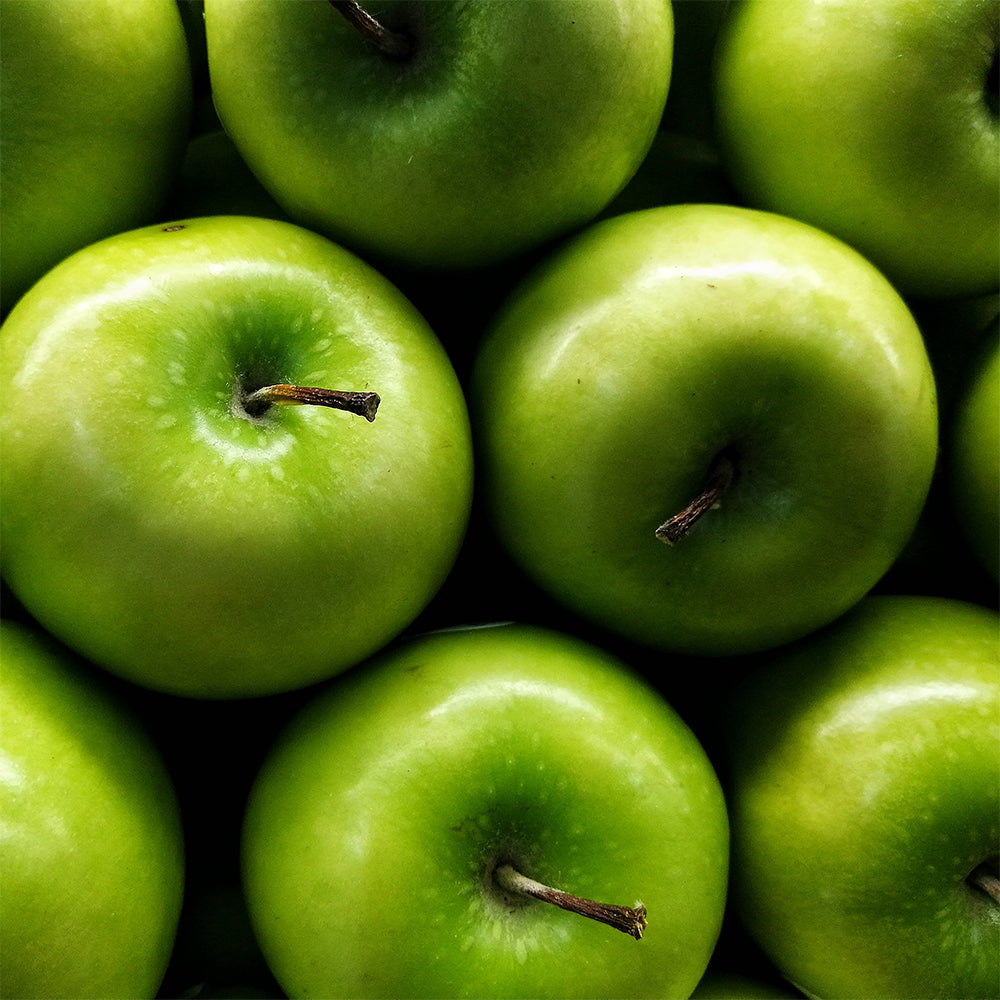
South Tyrol produces excellent fruit juices, but what happens to the peels? Tons of waste that Uppeal™ recovers and transforms. The apple peels become powder, then an innovative material for accessories. Vegan , cruelty-free , it valorizes a byproduct that would otherwise end up as waste.
The texture is smooth, the resistance excellent, the renewable content high. Apple peels find a new life , and thus a material is born that embodies the spirit of innovation, of technology applied to sustainable fashion. From the garden to the bag.

Orange peels
In Catania , Ohoskin had a brilliant idea: recover citrus peels from the food industry and transform them into fashion materials. Oranges, lemons, and tangerines become biopolymers mixed with natural resins. The texture is velvety, the finish premium.
It's industrial symbiosis : two sectors collaborating to reduce waste and create value. The material is renewable, bio-based, and showcases Southern Italy through its fruits. From Sicily to the world, with zero food waste.
Corn and recycled PET
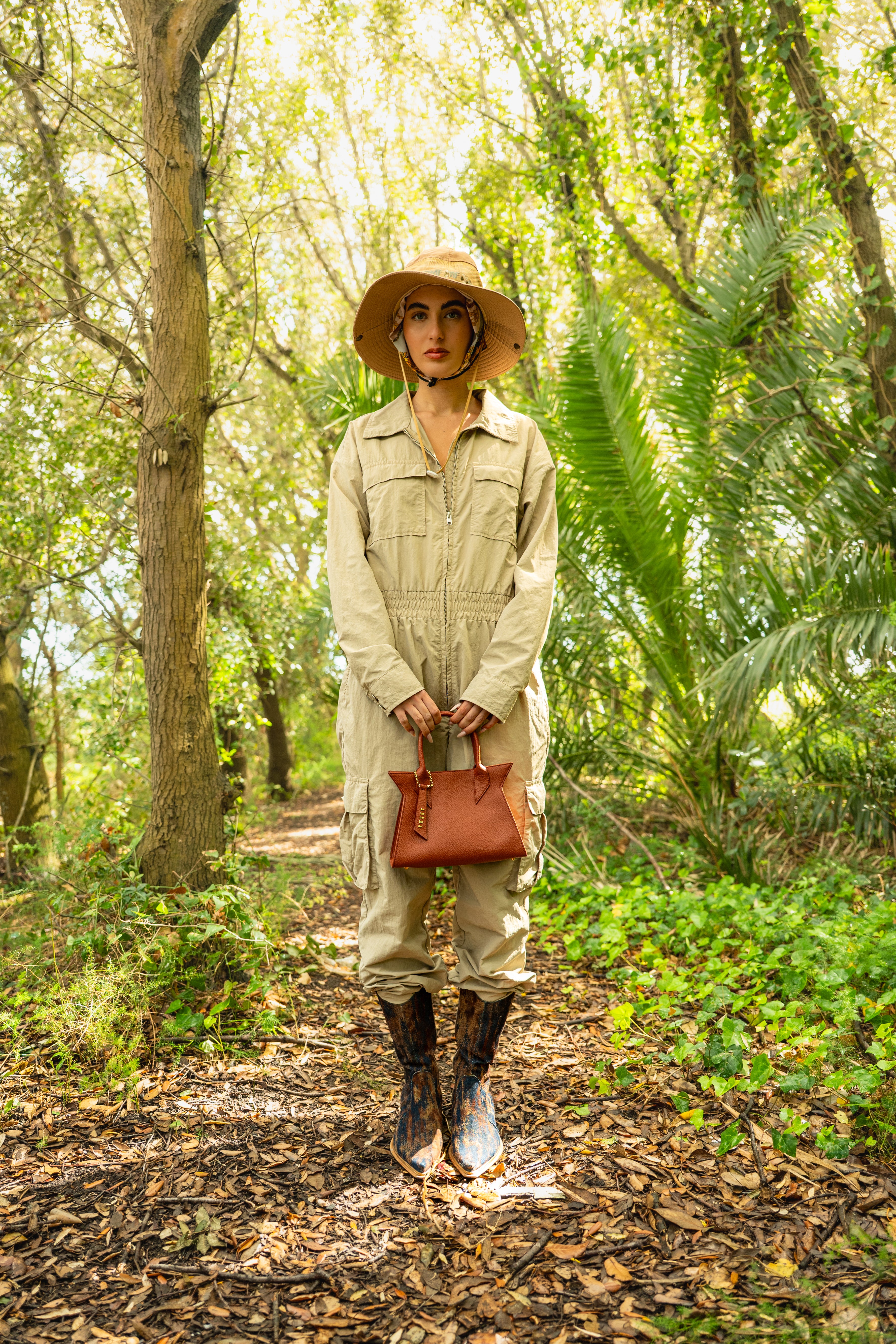
Organic corn meets plastic recovered from environmentally sensitive areas. Italian companies like Fiscatech and Coronet are actively investing in research to create bio-based fabrics that actually work. Corn is the organic base, while recycled PET closes the loop on plastic already in circulation.
A strong, durable fabric with a smaller environmental footprint than traditional materials. Italian fashion can lead the way in sustainability , and these materials prove it.