
Circular economy in fashion: how it works and why it matters
The fashion industry is one of the most polluting in the world. Every year, billions of garments are produced that end up in landfills after just a few uses, while the production of synthetic fibers and textile dyeing continues to consume enormous amounts of water and energy. In this context, the circular fashion economy is emerging not as a passing trend, but as a necessary paradigm shift.
What is the circular economy in fashion
The circular economy applied to fashion is a production system designed to eliminate waste and keep materials in use for as long as possible. Contrary to the traditional model, which extracts resources, produces, sells, and then disposes of them, the circular approach aims to close the loop. This means that every product, fiber, and component is designed to be reused, regenerated, or recycled.
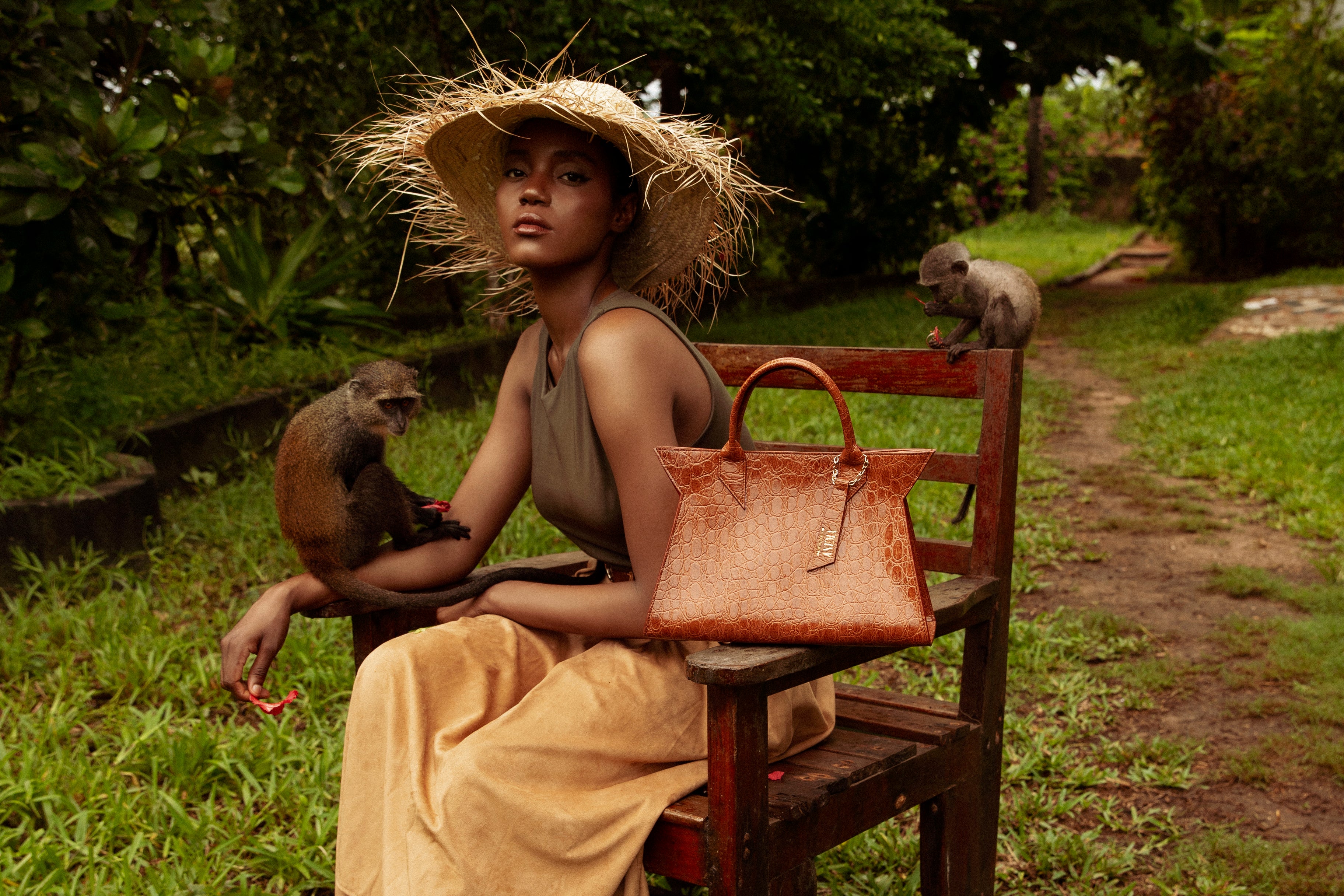
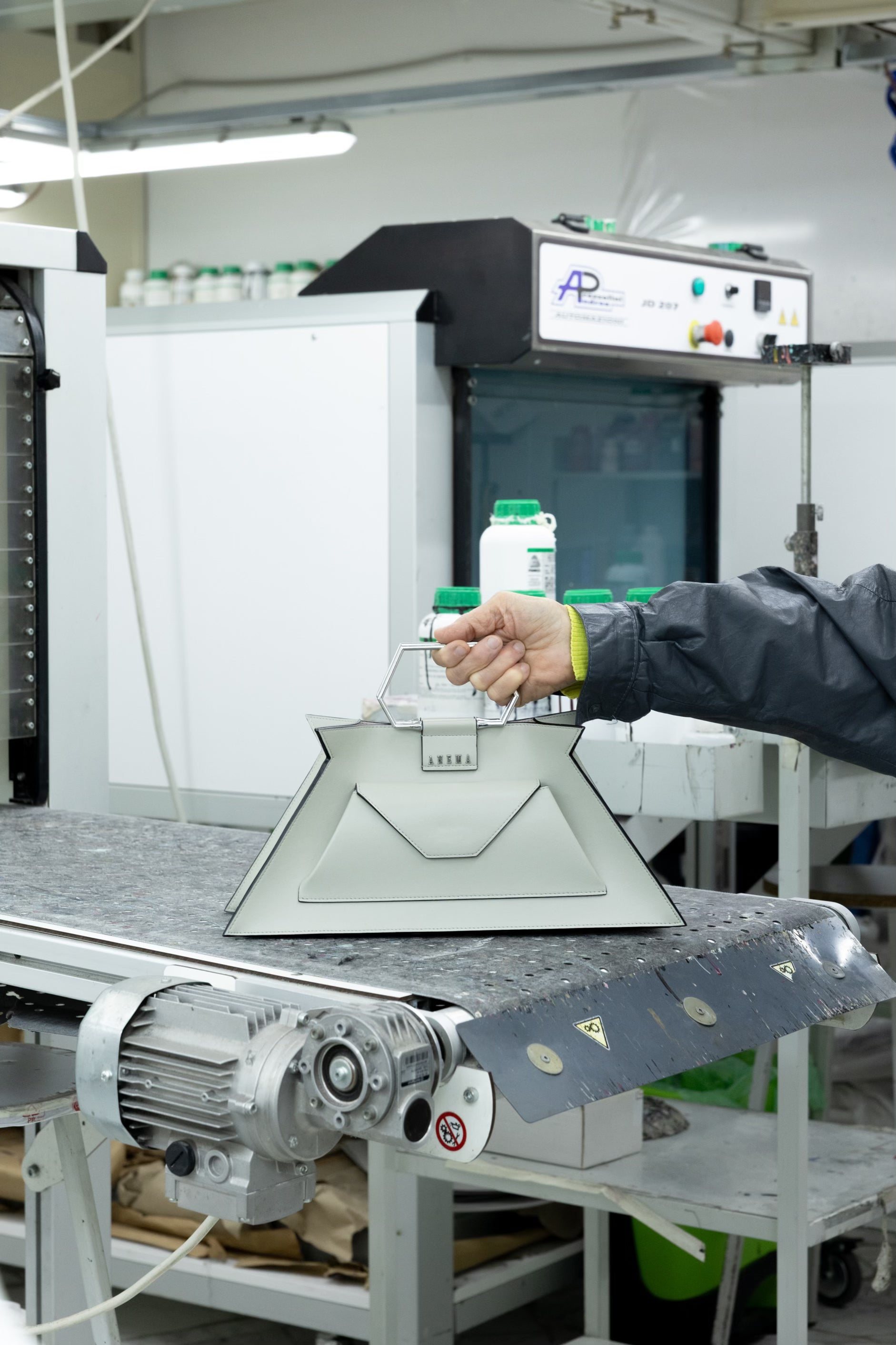
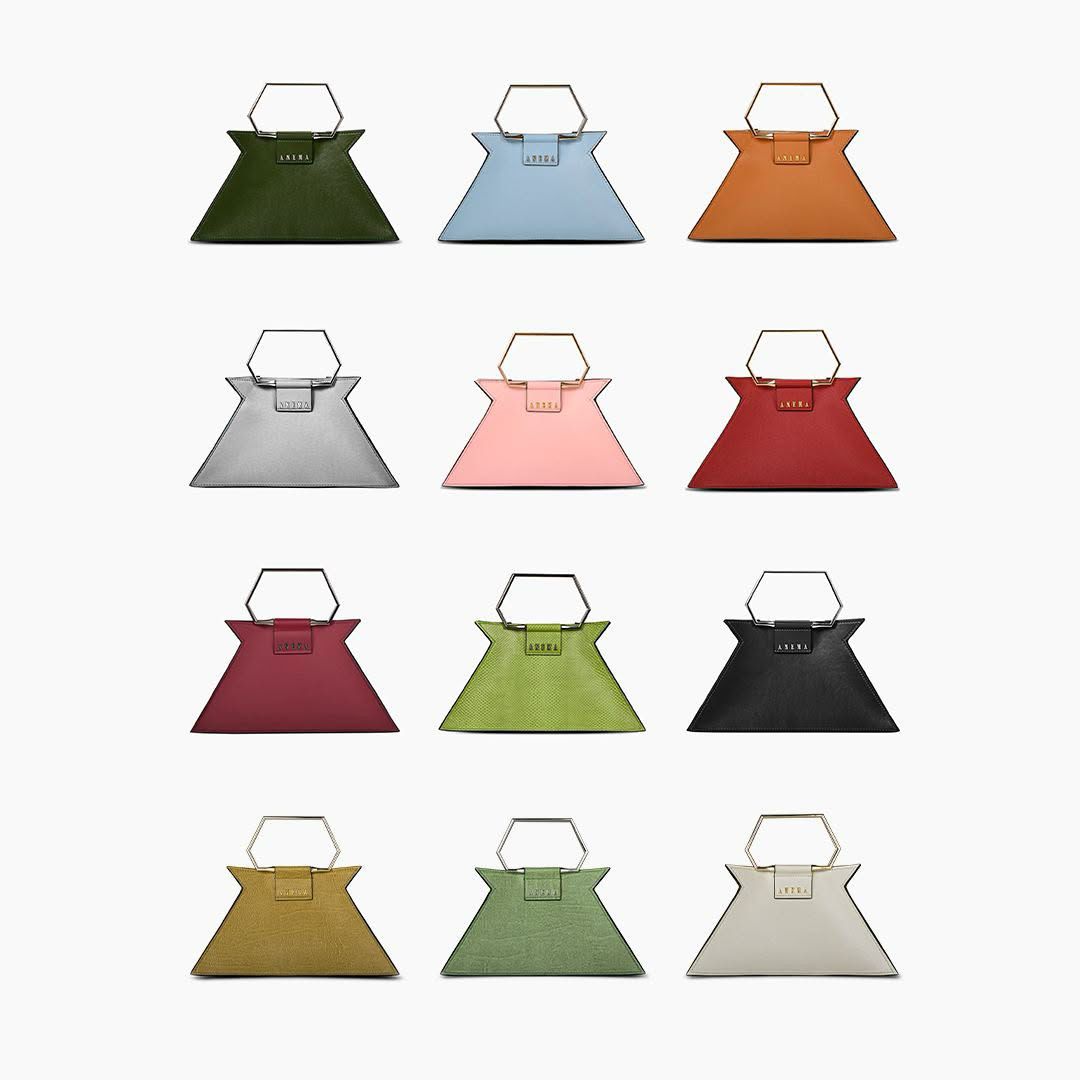
In the fashion sector, this means rethinking everything. The choice of materials, manufacturing processes, sales models, and even the end of the product's life. Eco-friendly vegan bags, for example, embody this philosophy starting with the choice of raw material, prioritizing alternatives to animal leather that have a reduced impact on the environment.
The differences between the linear model and the circular model
The linear model, namely take, make, use, dispose, has dominated the textile industry for decades. It is a system that works as long as resources are abundant and environmental costs remain invisible. Today, however, both conditions are no longer met.
The circular model turns this logic upside down. Instead of thinking of the end of a product's life as a problem, it is considered a resource. A discarded garment becomes raw material for a new product. Industrial waste is transformed into the starting point for a collection. The difference is not only environmental, but also economic, because reducing waste means reducing production costs in the long term.
The pillars of the circular textile economy
The circular economy in textiles rests on several fundamental principles that guide the choices of brands and manufacturers:
- Design for durability: the aim is to create products designed to last over time, repairable, and not single-use;
- Safe and renewable materials: natural, recycled, or waste-derived fibers are prioritized, avoiding toxic substances that prevent recycling;
- Collection and recycling: systems are established to collect used garments and reintroduce them into the production cycle;
- Supply chain transparency: every stage of production, from raw material to final sale, is made traceable.
A new life for materials from food waste: the case of leather goods
One of the most interesting developments in the circular economy applied to fashion concerns innovative materials derived from food industry waste. It is a rapidly evolving sector that demonstrates how creativity and technology can transform what was previously discarded into a valuable resource.

Cactus fiber bags are an important example. The material is derived from the pads of the prickly pear cactus (Opuntia), a plant that grows in arid environments without the need for intensive irrigation. The processing uses mature leaves that are regenerated by the plant without cutting it, making the process highly sustainable.
Equally innovative are apple peel bags, made from the waste of apple juice and cider production. Instead of disposing of peels and seeds as industrial waste, they are transformed into a durable material with an elegant appearance, similar to traditional leather.
The citrus industry also offers surprising solutions. Orange fiber bags are born from an Italian project that adds value to the waste from squeezing Sicilian oranges. After a process of extracting cellulose fibers, the peels are transformed into a soft and durable fabric.
These materials are not simply ethical alternatives to animal leather, but represent a concrete shift in the way the industry manages its waste, transforming an environmental cost into a productive resource.
Circular business models
The circular economy is not just a matter of materials, but also concerns the way brands structure their business. Some of the most common models are:
- Take-back programs: the brand collects used products from the customer, refurbishes them, or recycles the raw materials;
- Rental and subscription: the brand rents the product instead of selling it, maintaining ownership and controlling its life cycle;
- Upcycling: waste or discarded garments are transformed into new products of equal or higher value;
- On-demand production: inventory is reduced by producing only what has already been ordered, eliminating the problem of unsold stock.

In leather goods, the use of bags made from recycled materials is one of the most accessible approaches to embracing circularity. Recycled fibers from PET bottles, fabrics regenerated from industrial waste, or belts made from recovered rubber are already widespread in the market.
What are the certifications for circularity
In the sustainable fashion landscape, certifications play a fundamental role: they help consumers distinguish brands that operate with verifiable criteria from those that limit themselves to superficial communications (so-called greenwashing).
Among the most relevant for vegan and circular leather goods are:
- GOTS (Global Organic Textile Standard): guarantees that the textile fibers are organic and that production respects social and environmental standards;
- GRS (Global Recycle Standard): certifies the recycled content of materials and the traceability of the supply chain;
- OEKO-TEX Standard 100: verifies the absence of harmful substances in finished products;
- PETA Approved Vegan Certification: certifies that no component of the product comes from animals, including not only leather, but also glues, dyes, and accessories.
FAQ
Is the circular economy also applicable to small businesses?
Yes. It does not require large initial investments. Choosing a certified materials supplier, eliminating plastics from packaging, or offering a repair service are concrete steps toward circularity.
Are alternative materials to leather as durable as traditional leather?
New plant-based materials have achieved remarkable levels of resistance, and many pass standard durability tests. Research in this sector is continuously evolving.
How can you recognize a truly circular brand?
Look for transparency in the production supply chain, verifiable third-party certifications, and clear policies on repair and the end of the product's life.
Conclusion
The circular economy in fashion is not a distant goal reserved for large international brands, but a concrete, already achievable direction, made of precise choices.
Leather goods are one of the sectors where this transformation is most visible, thanks to eco-friendly vegan bags, and urgent. Working with plant fibers, food waste, and recycled materials means creating a change that concerns not only the environment, but also the way the value of a product is perceived.
Those who choose to buy consciously today are not simply looking for a beautiful object. They are looking for a product that makes sense: in the way it is made, in what it represents, and in what it leaves behind.

Written by Francesco Esposito