


Sustainable fashion certifications: a guide to PETA, GOTS and GRS
Acronyms everywhere. Colorful logos printed on labels, stickers applied to shelves, references to international standards in product descriptions. Let's try to make sense of it all. Not all certifications are the same: we offer a little guide to help you understand what lies behind the labels you find on our bags, our garments, and our accessories.
Why certifications are important when choosing fashion consciously
Let's start with a necessary question. What are certifications really for? They are external verification tools that guarantee that a company is meeting certain standards—environmental, ethical, social—and that these standards have actually been checked by a third party independent of the company itself.
A brand can write "we are sustainable" on its website without anyone checking if it's true. But a genuine certification involves a process of regular auditing, written rules to follow, and documentation to provide. It costs the company in terms of time and investment. And that is precisely why those who obtain one have something substantial to show. This guide to sustainable fashion certifications is designed to help distinguish between different cases.
It should be said, however, that certifications are not the only lens through which to evaluate a brand. A small artisan producer may not have the means to become formally certified, even while doing excellent work. But when in doubt, especially when dealing with companies that cater to the general public, certifications remain the most concrete tool for verifying the truth of what is shown.
PETA Approved Vegan: what the most recognized certification for cruelty-free products guarantees
Let's start with the best-known one in the world of vegan fashion. PETA Approved Vegan, issued by the renowned international organization People for the Ethical Treatment of Animals, provides a specific and very important guarantee: that no material of animal origin was used in the finished product. None. Anywhere.

The certified company must declare in detail all the materials used, including those for linings, adhesives, stitching, trims, and rivets. The check covers the complete bill of materials, not just the main material.
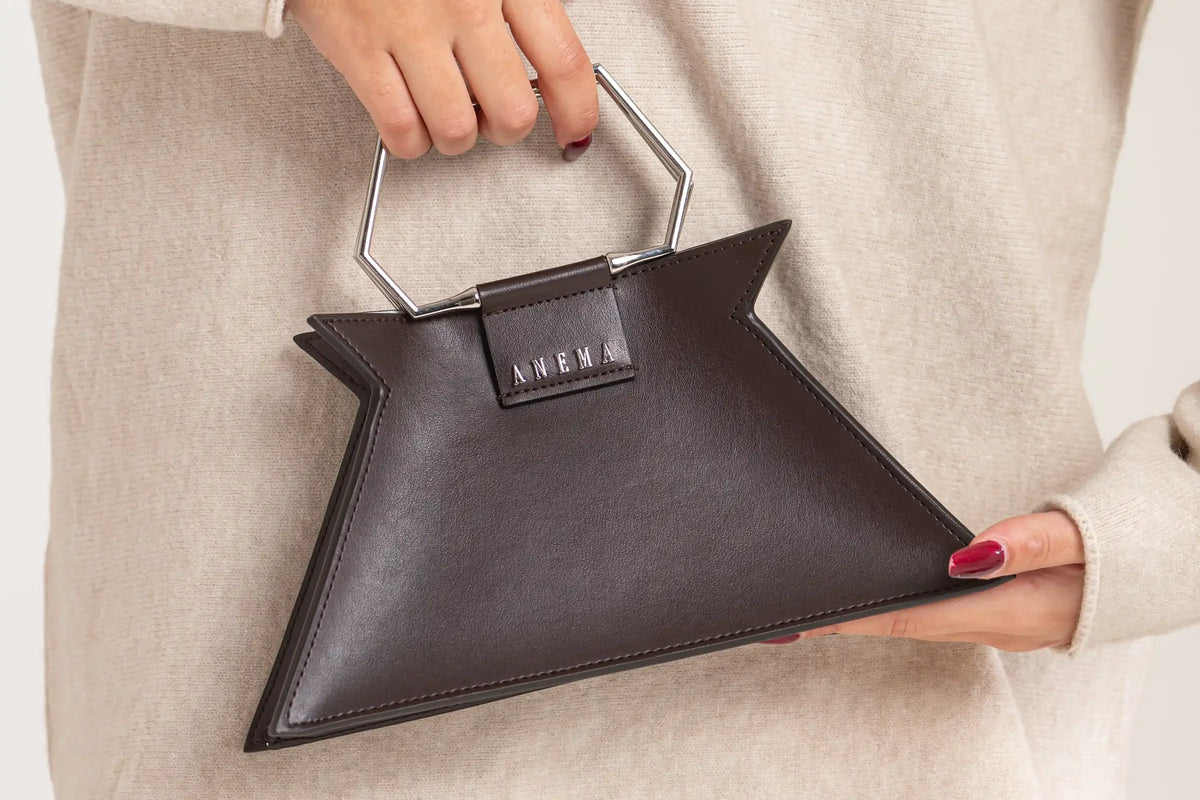
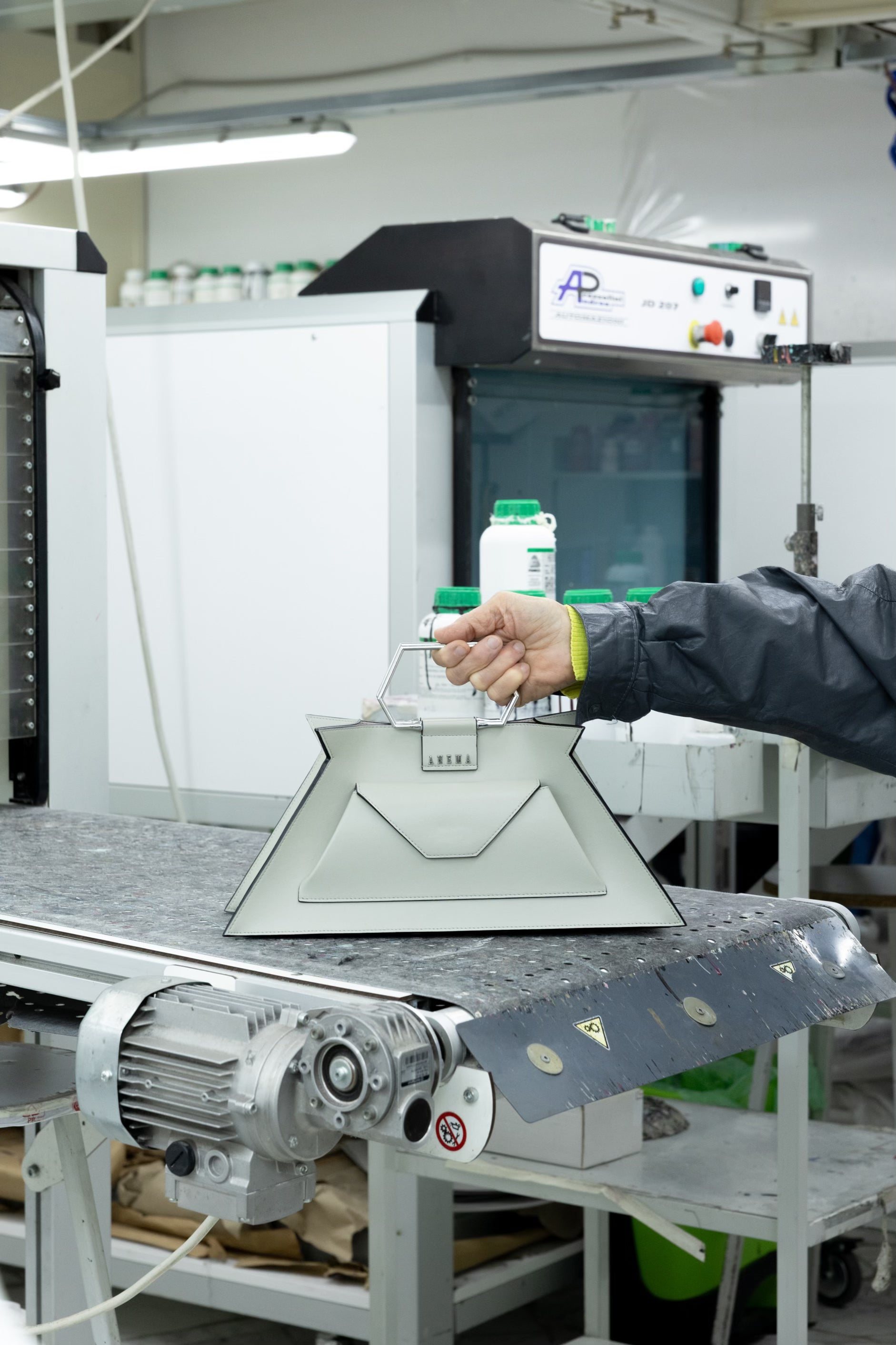
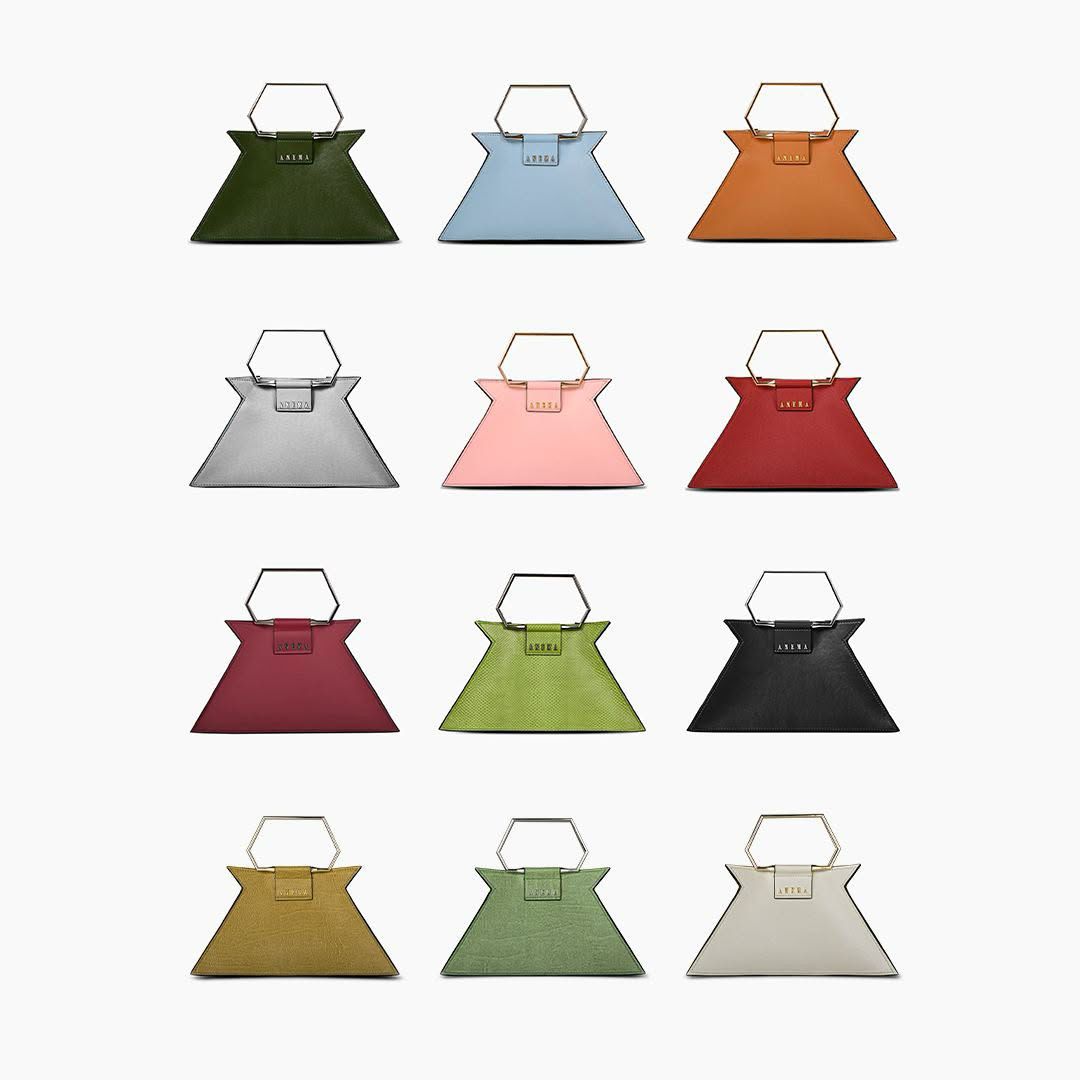
In the case of Anema Bags, the PETA Approved Vegan certification was obtained after a complete verification process covering the entire collection. An important step in consistency with the brand's philosophy, and a concrete guarantee for those who buy the sustainable vegan bags, knowing that there is external verification behind them, not just words.
GOTS (Global Organic Textile Standard), the most comprehensive certification for organic natural fibers
Without exaggerating, the GOTS certification is one of the world's strictest standards for organic natural fabrics, because it truly covers everything, from the cultivation of the raw material to the finished product. Every intermediate stage is checked.
The basic requirement is that the fabric contains at least 70% certified organic fibers to use the "made with organic materials" label. To obtain the full "organic" designation, the percentage rises to 95%. But the certification does not stop there.
GOTS regulates dyeing, printing, and finishing processes, banning chemicals that are harmful to the environment and human health. It sets precise environmental criteria for waste management, water consumption, and emissions. It also imposes social standards: decent working conditions, fair wages, a ban on child or forced labor, and the right to union representation.
In the Anema collection, the Italian hemp used for the GOTS organic hemp bags meets these standards.
GRS (Global Recycled Standard), the certification for recycled materials that protects traceability
What is GRS? Global Recycled Standard is the benchmark certification for products made with recycled materials. It is managed by Textile Exchange, one of the most authoritative organizations in the international textile sector.
The cornerstone, and therefore the main value, is traceability. This is because one of the major problems with textile recycling is precisely the difficulty of understanding how much of the material declared as "recycled" actually is. Without independent verification, the word "recycled" risks becoming an empty label. GRS closes this loophole: it requires complete documentation throughout the entire supply chain. From the collection of the raw material to the finished product. Every step is tracked.
In addition to traceability, GRS also imposes environmental criteria on processes—limiting hazardous chemicals—and social requirements on working conditions. Those who choose bags made from recycled materials certified by GRS have a concrete guarantee about what they are buying.
Other important certifications: OEKO-TEX, B Corp, Bluesign, and Fair Trade in the fashion sector
OEKO-TEX Standard 100 is perhaps the most widespread among these. It is not an environmental sustainability certification in the strict sense, but rather a chemical safety one: it guarantees that the fabric does not contain substances harmful to human health above certain thresholds. A basic but important protection, especially for those with sensitive skin or who buy products intended for children.
B Corp is a corporate certification rather than a product one. It is issued to companies that demonstrate they operate according to high standards of social, environmental, and transparency responsibility.
Bluesign is a specific standard for textiles, focused on the safe management of chemicals throughout the entire supply chain.
Finally, Fair Trade. The classic fair trade certification that links to decent working conditions, fair wages, and the absence of exploitation throughout the entire supply chain.
Overview of the main textile certifications: the essential list to keep in mind
The list of textile certifications worth knowing includes mainly: PETA Approved Vegan for animal welfare, GOTS for organic natural fibers, GRS for recycled materials, OEKO-TEX for chemical safety, B Corp for overall corporate responsibility, Bluesign for chemical management in technical fabrics, and Fair Trade for the ethical and social dimension of the supply chain.

Each of these answers a specific question. Brands tend to accumulate several, layering protections across different dimensions. A product that is simultaneously PETA Approved, GOTS, and OEKO-TEX, for example, offers guarantees on three different levels: cruelty-free, organic, and chemically safe.
How to verify certifications: never trust logos alone
Certification logos, in many cases, can be printed freely on labels. This is why it is important to know how to truly verify them.
The first rule is to look for the license number. Every certified company receives a unique identification code that should be displayed next to the logo or in the product documentation. This code can be entered into the public databases of the certifying organizations to verify its validity.
The second rule is to check the expiration date. Certifications must be renewed periodically through new audits. A company displaying a certificate from five years ago may no longer be compliant today.
Third rule: check the scope of the certification. Some apply only to specific products or collections, not to the entire company. A brand could be GOTS certified for its organic cotton line but not for the rest of its production.
Transparent brands generally make this verification easier. They publish their certification numbers on their website, link to official databases, and respond quickly when asked for clarification.
FAQ
Is one certification worth as much as another?
No. Each certification covers different areas and has different levels of rigor. Knowing the differences is essential.
Is a product without certifications automatically unsustainable?
Not necessarily. Small artisans or niche producers may do excellent work without having the means to become formally certified.
Do certifications cost the company?
Yes, they are significant investments. They require regular audits, documentation, and consulting. This is also why a certified product often has a higher cost.
Can I trust a logo printed on a label?
It is better to verify. Logos can be reproduced even without authorization. The safest way is to look for the license number and check it in the certifying body's database.
In conclusion
Navigating your purchases is not very easy at first, but once you understand the logic, everything becomes clearer. The real question is not "how many certifications does this brand have", but "which ones and why". A producer that has carefully chosen its standards, knows how to explain them, and verifies them periodically has committed itself to expressing the values it believes in.

Written by Francesco Esposito