


The Best Vegan Bags of 2026: A Guide to Italian Brands
Until a few years ago, the vegan bag market was a niche, frequented by a few curious consumers, a handful of brands, and materials that were still experimental. Today, however, you can find established brands and a variety of plant-based leathers that didn't even exist until recently. But what are the best vegan bags of 2026?
Why choosing a vegan bag in 2026 has finally become easy
New-generation plant fibers hold up very well against animal leather. In some respects, they even outperform it: lightness, UV resistance, and breathability—characteristics where bio-based materials often perform better than classic tanned leather.

So, choosing a cruelty-free bag is no longer just a matter of ethics, even if that remains the starting point for many consumers. Giving up products that involve animal exploitation is a weighty choice, and today it finds concrete alternatives without aesthetic compromises. The environmental aspect is also added, of course: bio-based materials generally have a smaller footprint than traditional leather, both in terms of emissions and water usage. But there is also a level that goes beyond, and that is the identity dimension: a bag made from cactus or apple leather is a way to express your values through style.
How to assess a quality vegan bag before buying
A few concrete, but essential criteria. The first thing to check is the specific material used. "Vegan material" is a very broad category, ranging from cheap PVC to high-end bio-based fibers. Knowing whether we are looking at a bag made from cactus, apple, corn, pineapple, or hemp makes a huge difference, both in terms of real sustainability and technical characteristics.
Certifications are the second important point. PETA Approved Vegan guarantees the complete absence of animal components in every detail; GOTS certifies the organic quality of natural fibers; GRS verifies the traceability of recycled materials.
The country and the place of production are equally important: protected working conditions, established artisanal know-how, and verifiable quality control. And, alongside innovation, the overall consistency of the brand is also a focal point. The brand's history, its philosophy, and the depth of its story about its materials are indicators that are worth at least as much as the product's aesthetics.
The best materials for vegan bags in 2026
Today, there are several materials for vegan bags, a sector that has expanded in recent years to offer valid and aesthetically appealing alternatives.
Cactus fiber (Desserto): Mexican softness and durability
Desserto is probably the most famous plant-based material internationally. It is derived from the leaves of the Nopal cactus, grown in Mexico without artificial irrigation, and has a finish very similar to suede or full-grain leather, depending on the finish. Main characteristics: softness to the touch, good mechanical resistance, and excellent UV resistance. Cactus fiber bags have become a popular choice in recent years for those looking for an elegant alternative to animal leather.
Apple peels (Uppeal): the Tyrolean innovation that adds value to agricultural waste
Apple Skin, now marketed under the Uppeal (Coronet) brand, comes from the waste of the apple juice industry in Trentino-South Tyrol. The apple component is processed with textile binders to create a flexible material with a smooth surface and good mechanical resistance. It works particularly well for clean, contemporary designs. Apple peel bags have a refined aesthetic that makes them suitable for many contexts.
Orange fibers (Ohoskin): the Sicilian citrus matter
From Catania comes Ohoskin, a material derived from the waste of the citrus industry: peels, processing residues, and pectin. Thus, a plant-based leather with a velvety texture is born. Orange fiber bags are quite popular and place the following characteristics at the center of their philosophy: a Sicilian agricultural supply chain, Italian craftsmanship, and luxury aesthetics.
GOTS organic hemp: the most durable natural fiber in the world
Technically, hemp is not a "leather" but a fabric, and this changes the type of bag, which thus appears more structured, more textured, with a very natural visual character. GOTS-certified organic hemp is the most robust natural fiber of all, antibacterial, breathable, and biodegradable. Hemp bags are particularly appreciated for their durability: with minimal maintenance, they can last for decades.
Corn, recycled PET, and other hybrid materials on the new frontier
There are also hybrid materials that use bio-bases (such as those derived from corn) with recycled plastic recovered from PET bottles or polluted marine areas, solutions that simultaneously reduce two problems: dependence on oil and plastic pollution. Then there are more experimental materials: Piñatex from pineapple leaves, Mylo from mushroom mycelium, fibers from kombucha or algae, which constantly expand the horizon.
The best Italian vegan bag brands: an overview of the sector
Now for the brands. Many businesses have been born in the last fifteen years, each with its own precise identity: let's discover the best Italian vegan bag brands.

Anema Bags
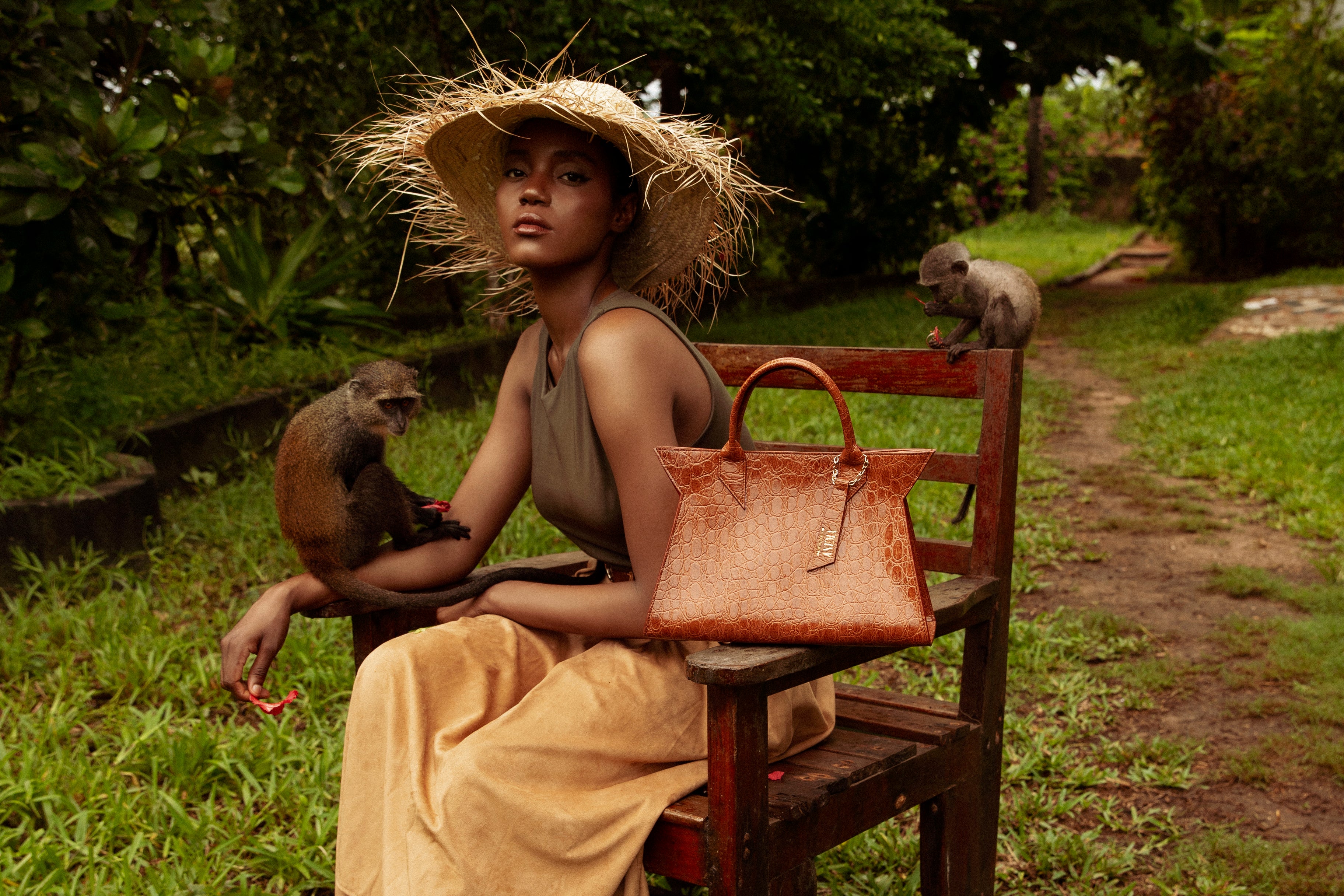
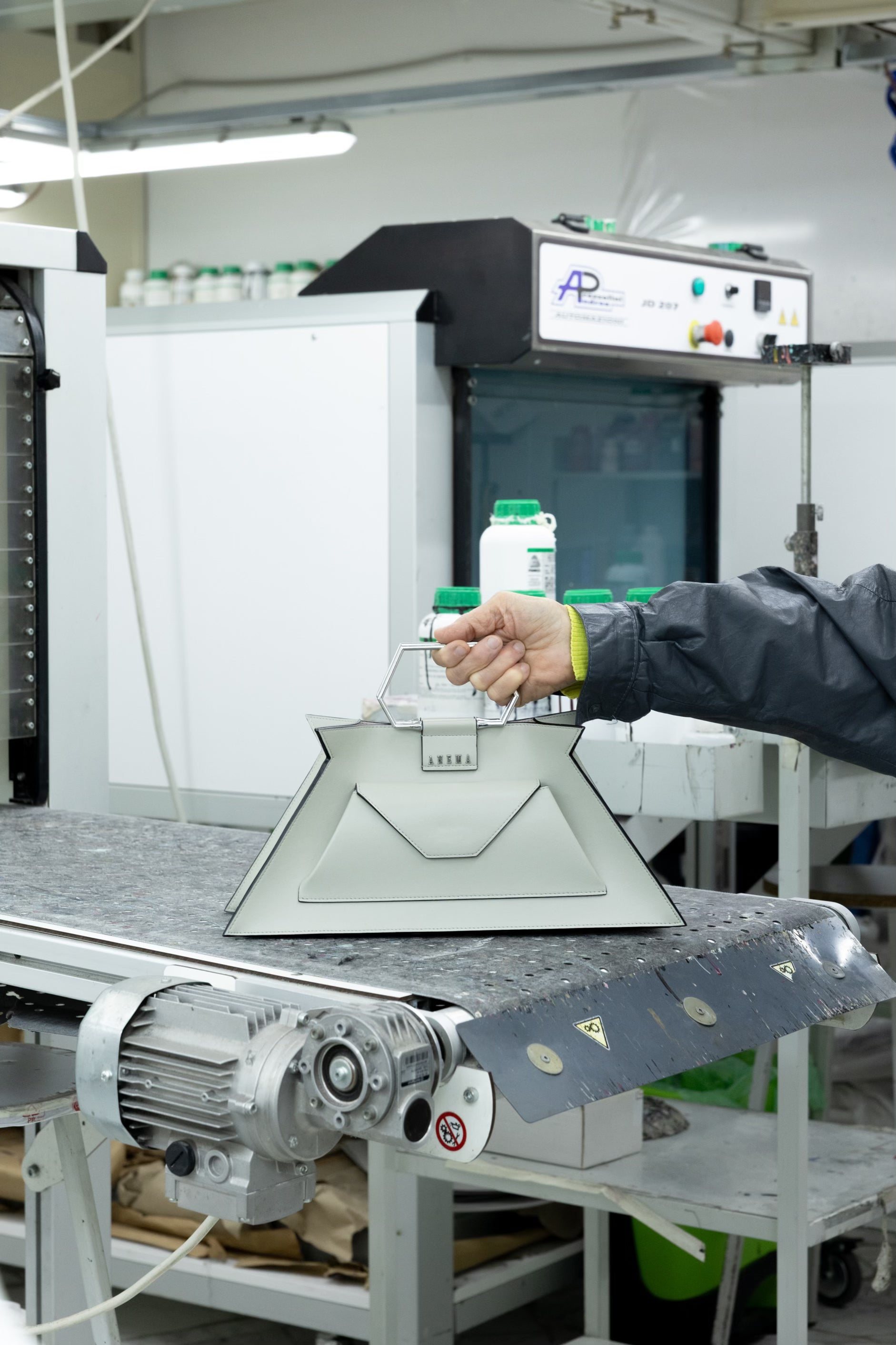
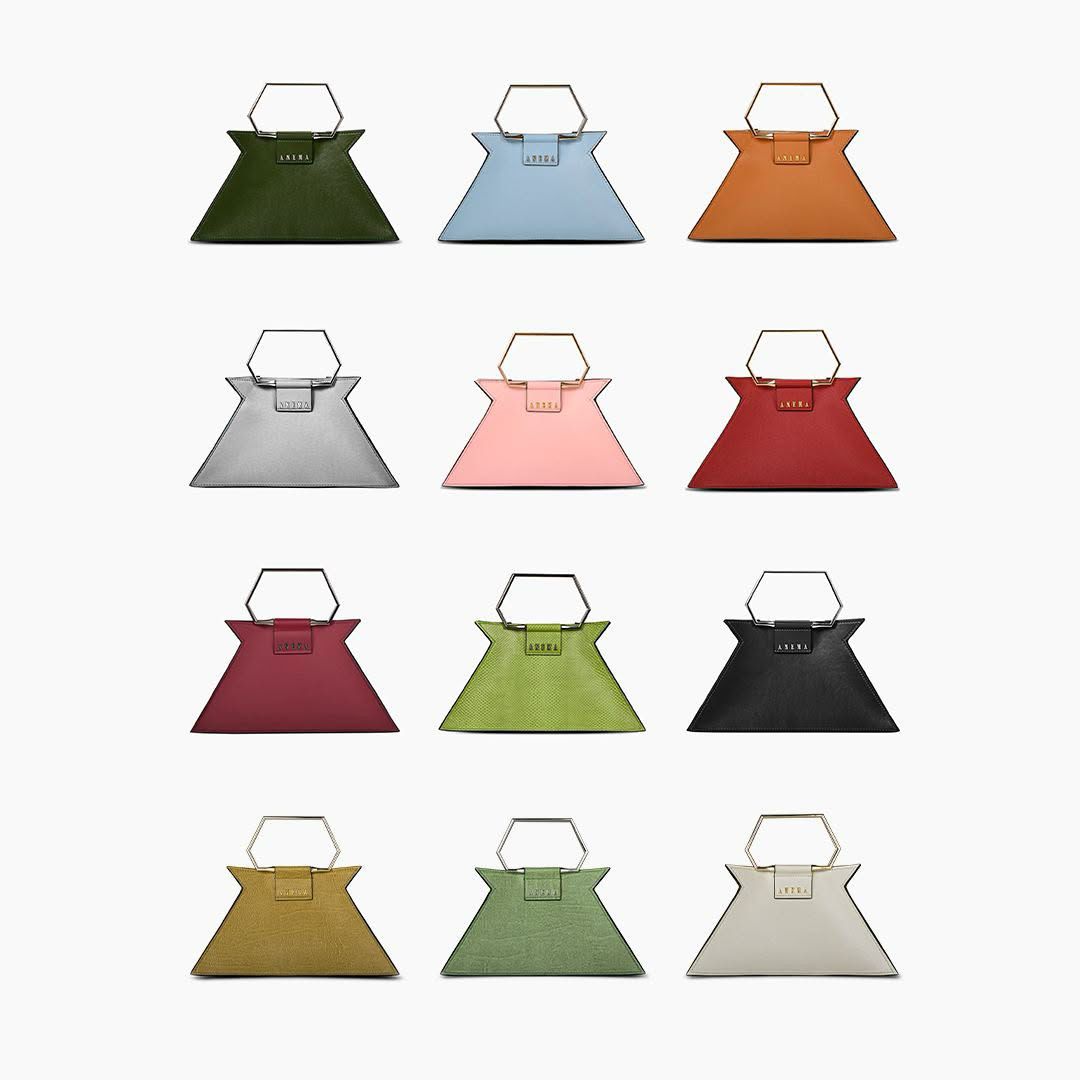
Anema is an Italian brand specializing in vegan bags made with new-generation bio-based materials. The collection revolves around four main plant-based leathers—cactus, apple, orange, and organic hemp—which are processed using a Neapolitan artisanal matrix. The brand has obtained the PETA Approved Vegan certification for the entire collection. The philosophy places transparency about materials and attention to design at its center.
Miomojo
Miomojo is an Italian brand based in Bergamo, founded in 2012 by entrepreneur Claudia Pievani. On the formal level, it has chosen two designations that say a lot about its identity: Benefit Corporation and B Corp certification, both linked to a business model that places social and environmental goals on the same level as profitability. The starting idea was to develop quality accessories without resorting to animal leather. The materials used span the entire spectrum of bio-based innovations of recent years: from cactus to rice, from mushrooms to pineapple, passing through apple and corn. To these are added recycled and upcycled components.
TOOitaly
TOOitaly was born in 2011 with a rather distinctive approach, based on the idea of ready-made and upcycling. The brand is known above all for the use of bolted PVC—a material typically used for industrial floors and never seen before in fashion—recycled and recyclable, free of petroleum components. Alongside this, the brand works with AppleSkyn (a leather composed largely of apple waste and recycled cordura from plastic bottles) and with leathers derived from large production waste. Production is artisanal, carried out in the laboratories of Orvieto, and the company is classified VVV+ in the LAV Animal Free Fashion rating.
Vestella
Vestella is a more recent brand, born in 2021 as a family project based in Italy. The proposal focuses on vegan bags and accessories, produced in Italian laboratories with attention to ethical and fair working conditions. The brand's philosophy emphasizes the concept of "gentle fashion": refined aesthetics, environmental choices, and respect for living beings.
Other interesting brands in the Italian and international landscape
In addition to the brands just mentioned, there are numerous other businesses that deserve attention. International brands like Stella McCartney have paved the way for decades for vegan luxury leather goods. On the Italian front, several small artisanal businesses are emerging, especially in regions historically linked to leather (Tuscany, Marche, Veneto), offering innovative materials with sartorial approaches.
To delve deeper into the plant-based leather segment from a comprehensive perspective, the collection of eco-sustainable vegan bags by Anema makes the main materials available today available to customers, all certified and traceable.
FAQ
Are there affordable, quality vegan bags?
The affordable segment exists, but it must be approached with some caution. Vegan bags in PVC or pure polyurethane can cost little because they come from low-cost industrial materials, but they rarely offer the quality or sustainability of bio-based plant leathers.
Are Italian vegan bag brands comparable in quality to international ones?
Yes, and in many cases they represent the excellence of the sector. Italian leather goods have an artisanal know-how that is difficult to find elsewhere, and applied to new plant materials, it produces high-level results.
How long does a quality vegan bag last?
With proper maintenance, bio-based vegan bags last for many years. Hemp is probably the longest-lasting, while structured plant leathers (cactus, apple) have lifespans comparable to animal leather.
In conclusion
2026 confirms a clear trend: vegan bags are no longer a minor alternative, but an autonomous proposal with its own precise identity. Italian brands in particular are building internationally recognized excellence, focusing heavily on material innovation and artisanal tradition.

Written by Francesco Esposito


