


Desserto cactus fibers: how they are produced and how long they last
Can a succulent that grows in the Mexican desert become a bag? The surprising answer is yes. And we are not talking about a niche experiment: Desserto cactus fiber is now an established industrial reality, featured in the collections of international brands and beyond. An unexpected raw material that is changing the face of sustainable leather goods.
Let's explore together how it is made, what makes it special, and why it is worth considering the next time we choose a bag.
What is the cactus leather that makes up Desserto fiber?
The term cactus fiber refers to a bio-based material obtained from the leaves of the Nopal cactus, a variety typical of Mexico. It is neither synthetic nor a hybrid: it is a true plant-based leather, with a dominant organic component, free of PVC, phthalates, and harsh chemicals.
To look at it—and to touch it—it is easily mistaken for animal leather. The texture is soft, the colors deep, and the finish elegant. But its origin is completely different, and that changes everything.
Who invented cactus fiber: the story of Desserto
Behind this innovation are two names: Adrián López Velarde and Marte Cázarez. Mexican, with years of experience in the international fashion system, they returned to their country with one idea in mind: to find a true alternative to animal leather, something that was not yet another synthetic solution.
They looked around them and saw the cactus. A resilient plant that grows almost by itself in Mexico. That was the starting point. From there came years of experimentation, failed attempts, and discarded prototypes. Until the Desserto material we know today, launched in 2019 and immediately recognized internationally: among its awards is the PETA Compassionate Company Award.
Today Desserto is not only linked to fashion: the material is also used in the automotive and aerospace industries, as well as in home furnishings.
How cactus fiber is made: the production process
Understanding how cactus leather is made also helps explain why it is so sustainable. The process begins in the plantations in the state of Zacatecas, where the Nopal grows in organic soil without artificial irrigation. Seasonal rainfall is enough: the cactus is a plant accustomed to making do with little.

Mature leaves are harvested every six to eight months using a technique that does not damage the plant. Only those that are ready are taken; the others remain for the next cycle. Once harvested, the leaves are sun-dried for three days.
At that point, the actual processing begins, patented by the Velarde-Cázarez duo. The dried leaves are ground, turned into an extremely fine powder, and mixed with non-toxic biopolymers and natural resins. The mixture is then spread onto a textile backing and laminated until a flexible, durable fabric is obtained. The plant parts not used for the fabric? They are sold to the food industry. Nothing goes to waste.
What are the characteristics and properties of cactus fiber?
This is perhaps the most interesting chapter: cactus leather has a series of characteristics that make it truly competitive compared to traditional materials.
It is surprisingly soft to the touch. Who would expect that from a desert plant? Yet the final texture is velvety, almost silky in the most refined models. It is also breathable, which many synthetics are not, and it resists moisture well without being completely waterproof.
UV resistance is another strong point: it retains its colors over time, does not fade easily, and ages well. And as it ages, it develops a natural patina that adds character. A bit like what happens with genuine leather, but without the problematic aspects of the animal-based supply chain.
One last element: it is partially biodegradable. Not one hundred percent, because the textile backing may contain synthetic fibers, but the organic component degrades at the end of its life, significantly reducing its environmental impact.
Cactus fiber vs. animal leather: the comparison
A question that always comes up: is it really comparable to animal leather? Let's try to answer without rhetoric.
Aesthetically, yes. An untrained eye has difficulty distinguishing them. The visual appearance of Desserto is now excellent, and in terms of feel, the difference is minimal. As for durability, with proper care, we are talking about accessories that last for years without problems.
However, in terms of its environmental impact, the comparison simply does not hold up. Animal leather requires intensive farming, enormous quantities of water, and tanning processes that use chrome and polluting substances. Cactus fiber grows with rainwater, does not involve animals, and uses non-toxic biopolymers. Two worlds that look alike in the final result but have radically different supply chains.
Where is cactus fiber used?
Bags, first and foremost. It is the sector where it has found its most fertile ground, because it lends itself to structured craftsmanship and holds its shape well. But not only that: the material is used for shoes, jackets, belts, wallets, and even car interiors and designer sofas.

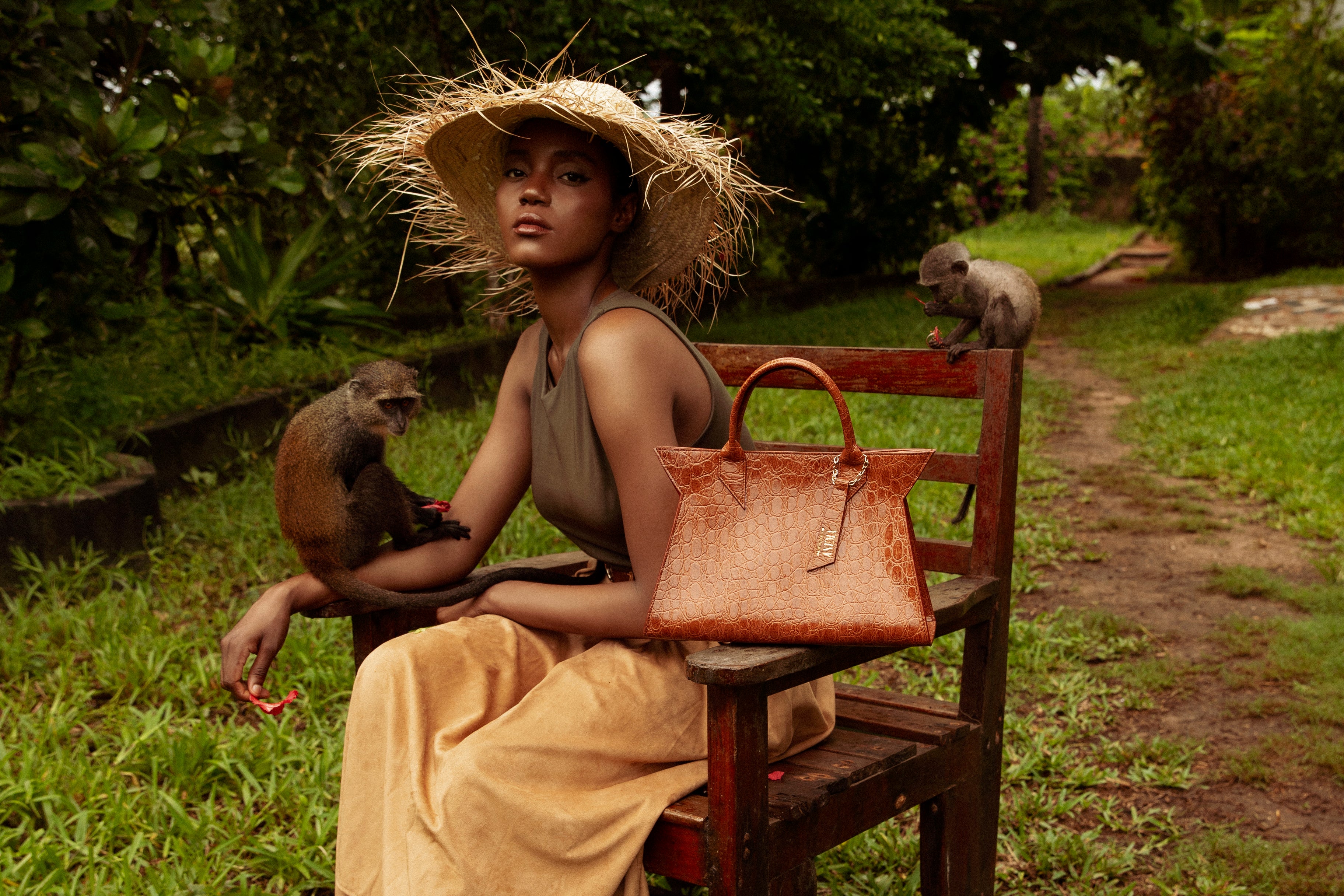
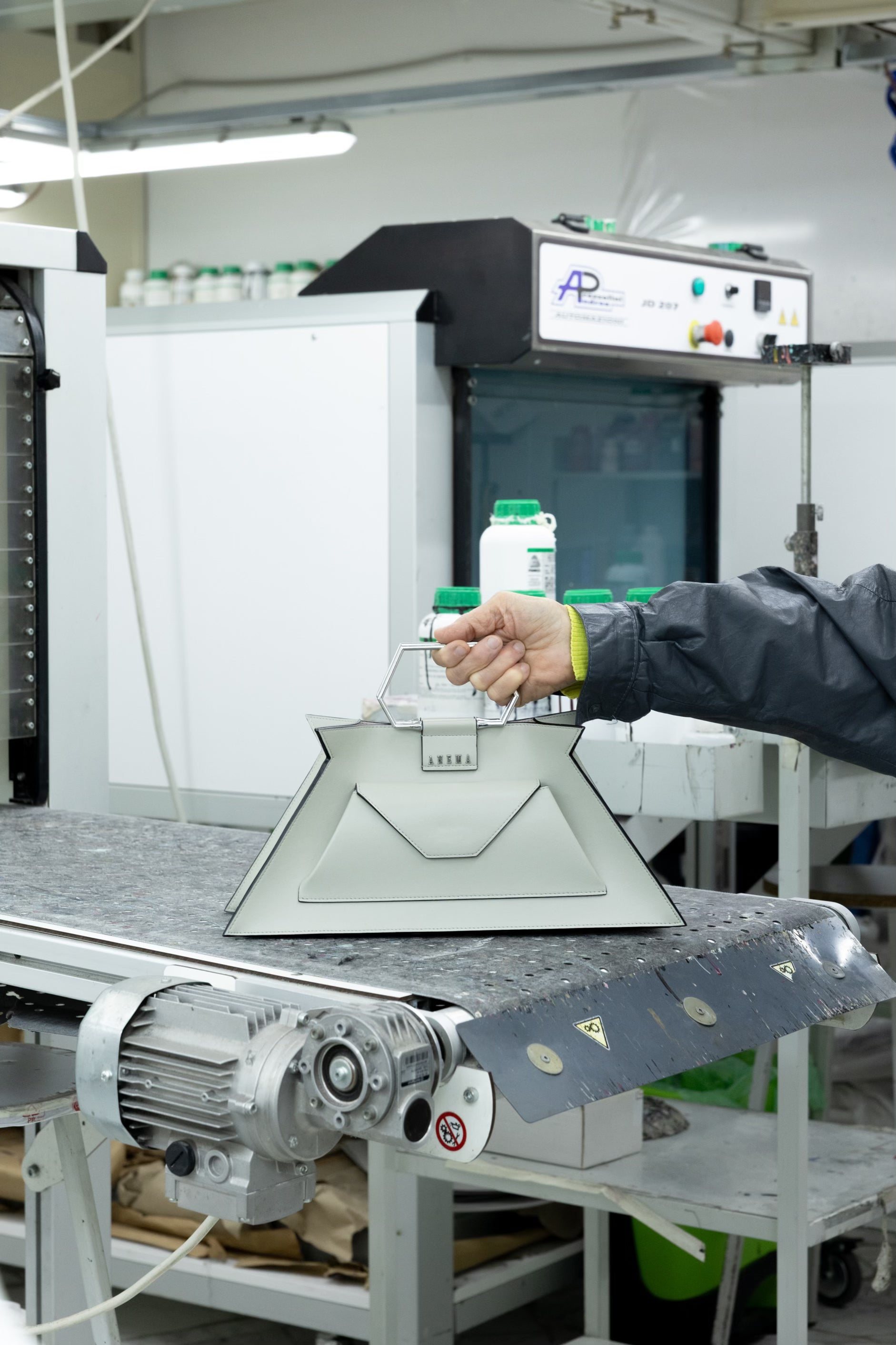
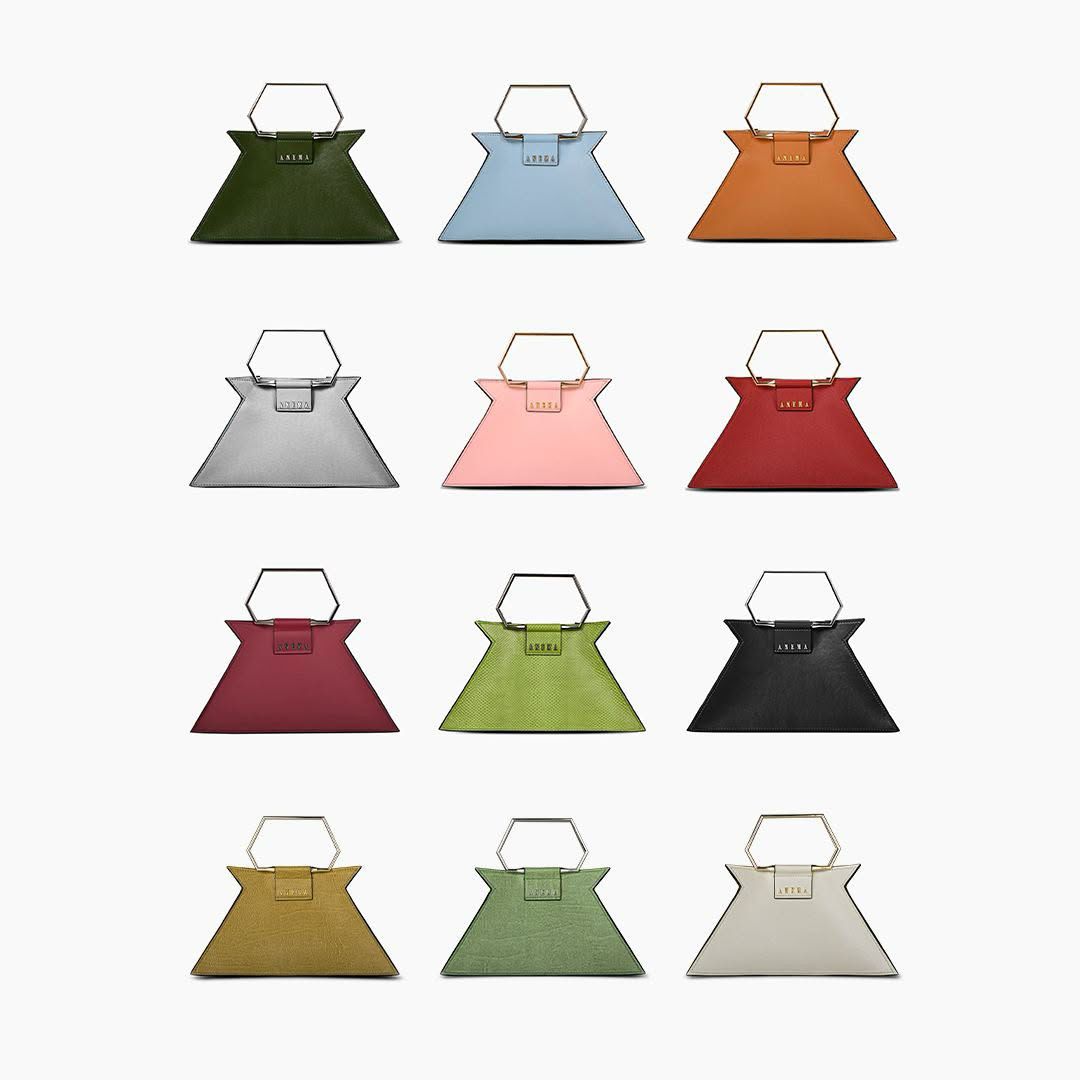
In fashion, Anema Bags made a clear choice: to integrate cactus fiber into its collections, working it with traditional Neapolitan craftsmanship. From this, the cactus fiber bags were born, bearing evocative names such as Sibilla, Parthéa, and Nimphea—a small tribute to the Mediterranean and mythology—available in shades ranging from burgundy to forest green, from caramel to burgundy to classic black.
How much does a cactus fiber bag cost?
Research, raw materials, artisanal craftsmanship: everything is reflected in the final price. In Anema's case, the range is between approximately 85 and 240 euros. The Minori, a compact mini bag, starts at 85 euros. The Sibilla models—the brand's bestsellers—are priced around 190 euros, while the more structured Parthéa models reach 240 euros. A positioning consistent with the quality of the material and with Italian production that makes no compromises.
What are the certifications and guarantees?
The PETA Approved Vegan certification is among the most important for those who choose cruelty-free products: it guarantees that no material of animal origin was used in the supply chain. Anema chose to obtain it precisely to offer this assurance, without any gray areas.
In addition to PETA, Desserto itself has received international recognition: the LVMH Innovation Award and PETA Compassionate Business, to name two, after audits conducted by external bodies that assessed the supply chain, transparency, and impact.
How to care for cactus fiber
For daily cleaning, a slightly damp soft cloth is enough. For more stubborn stains, use a highly diluted neutral detergent. Never use solvents, bleaches, or harsh chemicals: the material is natural and should be treated as such.
Proper storage is equally important. When the bag is not in use, it is best to store it in a cotton bag, away from direct heat sources and prolonged sunlight.
FAQ
How long does a cactus fiber bag last?
With proper care, we are talking about many years of use. The material is resistant to wear and develops a patina over time that many appreciate aesthetically. It is not a disposable product; quite the opposite.
Is cactus fiber waterproof?
It has good moisture resistance, but it is not completely waterproof. It is best to avoid prolonged exposure to rain and immediately dry any drops with a soft cloth.
Can it be recycled?
The organic component of Desserto is partially biodegradable. As for actual recycling, it depends on the type of textile backing used.
Is it only a fashion product, or does it have other uses?
The material is also used in home furnishings, the automotive industry, and the aerospace industry. Its versatility is one of its strengths, which helps us understand the high quality of the material, even in terms of its ability to withstand stress.
Conclusion
Cactus fiber is not an exotic curiosity or a passing fad, but a mature technology, an established supply chain, a concrete proposal for those who want beautiful accessories without weighing down the planet. Among sustainable vegan bags, apple peel bags, and recycled material bags, it holds a special place because it tells the positive paradox of contemporary fashion better than any other: that something soft, refined, and durable can come from a thorny desert plant.
In short, it is a story of innovation that speaks of sustainable vegan fashion Made in Italy and of choices that, one step at a time, truly change things.

Written by Francesco Esposito


