



Conscious fashion: how to start dressing sustainably
What we wear tells who we are, what we value, and what kind of future we want to live in. Conscious fashion is not a passing trend, but a shift in perspective within reach of anyone who wants to start reducing their impact on the planet without giving up style.
What is conscious fashion
Conscious fashion is an approach that puts critical reflection at its core: on how a garment is produced, with what materials, and with what environmental impact.
At the heart of this approach is the concept of slow fashion: a cultural and production movement that opposes fast fashion with a radically different proposal. While fast fashion relies on speed, slow fashion focuses on slowness as care in production and the choice of materials. Buying a slow fashion garment means choosing something that will last for years, not seasons.
Why start: the numbers of fashion's impact
The fashion industry is among the most impactful production sectors in the world, with consequences that affect the environment, the climate, and human rights on a global scale.

Global textile production consumes billions of liters of water every year. The chemical dyes used in dyeing fabrics are among the main causes of pollution of fresh water in many Asian, African, and South American regions.
On the consumption front, Western countries buy twice as many garments as they did twenty years ago. The share of garments that end up in landfills within a year of purchase has grown significantly, generating mountains of textile waste.
10 steps to start dressing sustainably
Ten steps are designed to discover conscious fashion, starting to truly change.
- Take an inventory of your wardrobe. Before buying something new, discover what you already own.
- Adopt the "one in, one out" principle. For every new purchase, identify a garment to donate, swap, or recycle.
- Buy less, but better. Prefer a quality garment that will last.
- Explore the second-hand market. Second-hand clothing is one of the most sustainable options available.
- Learn to take care of your garments. Clothing care extends the life of garments and reduces the overall impact.
- Choose transparent brands. Sustainable companies publish information about their supply chain, suppliers, materials, and certifications.
- Check the certifications. Labels such as GOTS (Global Organic Textile Standard), Fair Trade, Oeko-Tex, and Bluesign, as well as PETA Approved Vegan certifications, attest to specific characteristics of environmental and social sustainability.
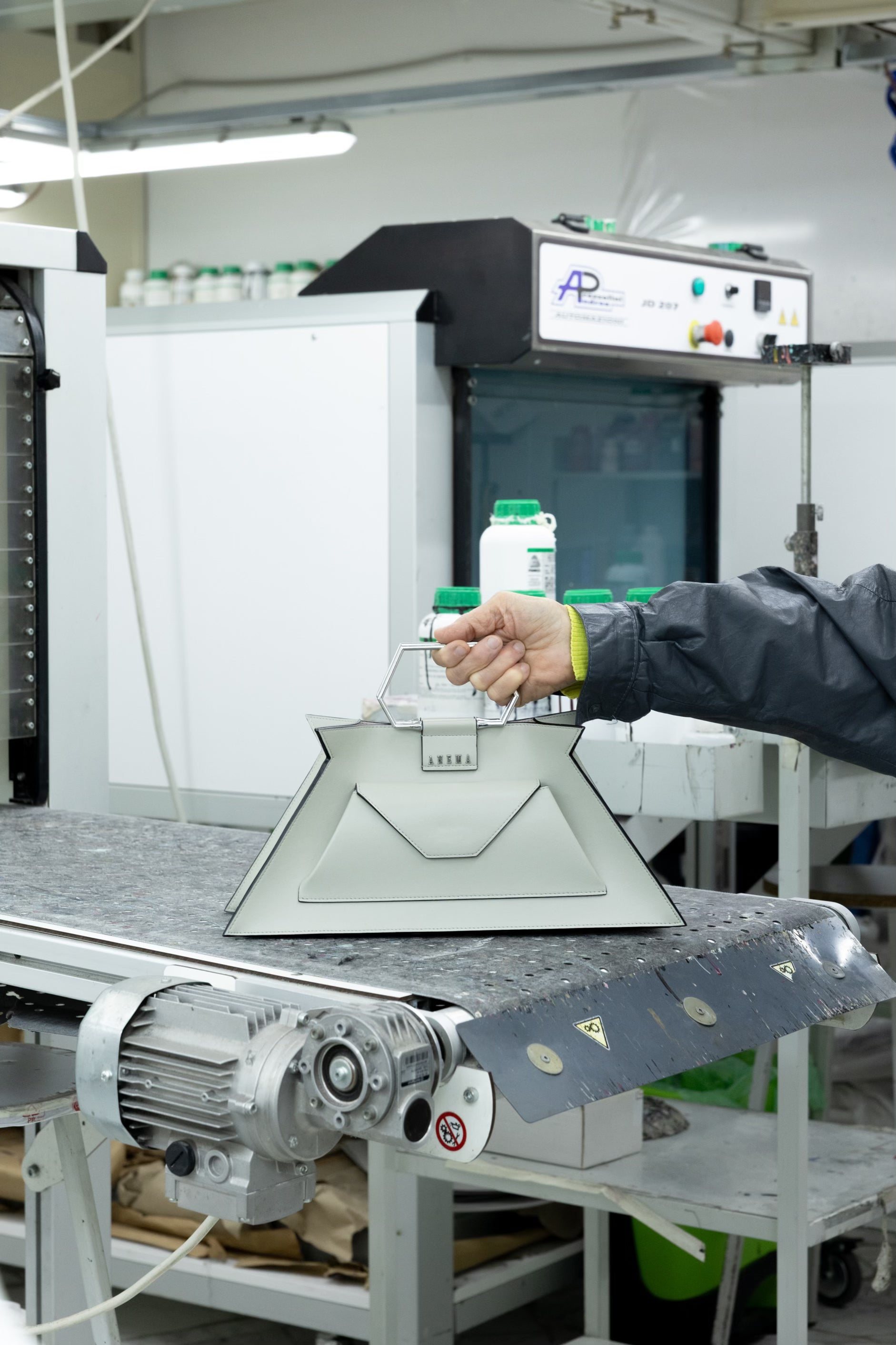
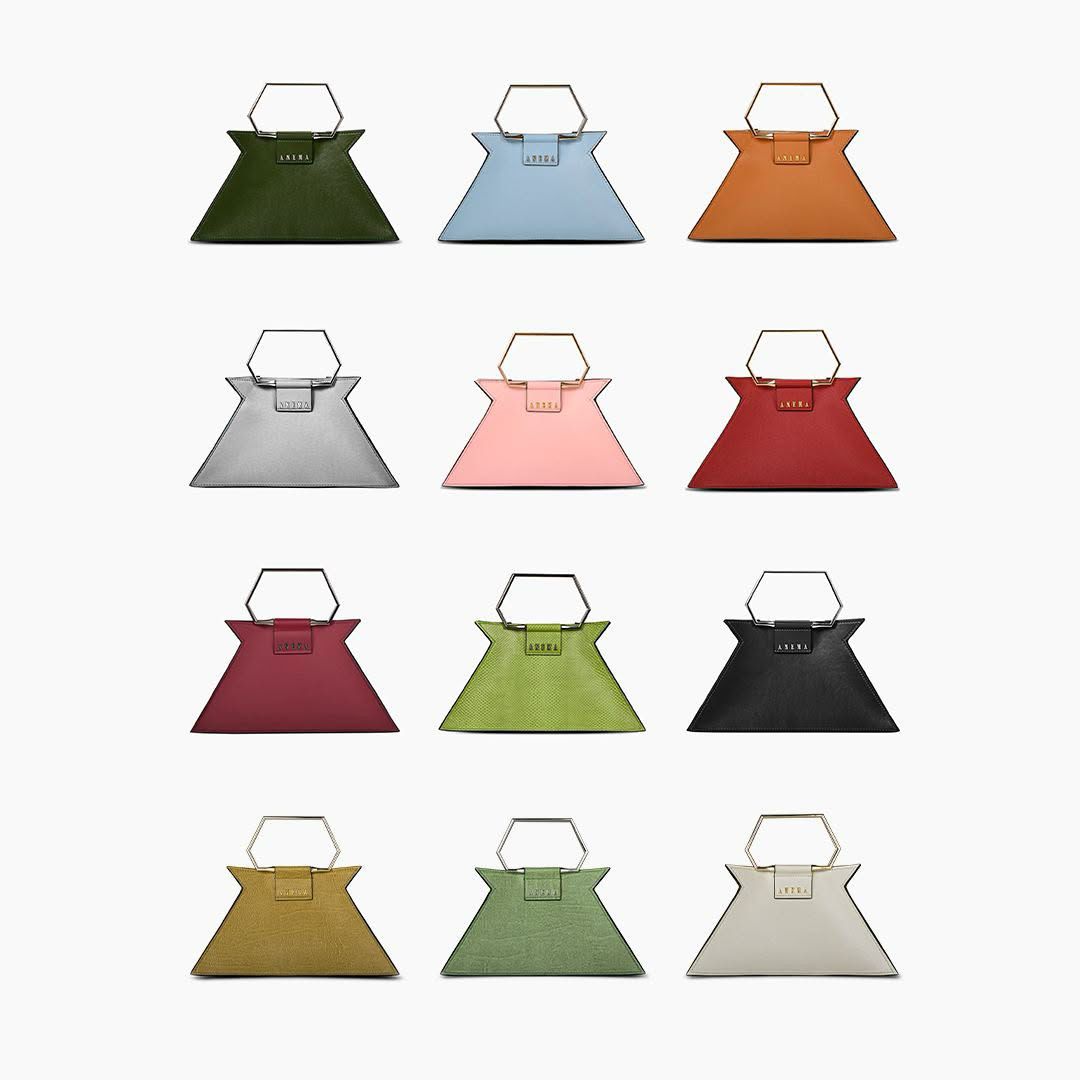
- Also consider accessories. Sustainable vegan bags, belts, and shoes are part of a sustainable wardrobe just as much as clothes.
- Participate in swap parties and exchange initiatives.
- Share your experience. Cultural change always starts with everyday conversations.
How to recognize greenwashing
One of the main obstacles to conscious fashion is greenwashing, that is, the practice with which brands and companies communicate an image of sustainability that does not correspond to the reality of their production processes. Recognizing it is essential to avoid falling into the trap of buying believing you are making an ethical choice when in reality you are simply funding a marketing operation.
Greenwashing manifests itself in different forms. The most common is the use of vague and unverifiable terms such as eco-friendly, green, natural, and environmentally friendly. These are definitions that do not have a precise legal meaning and can be used by anyone without the obligation to prove it.
Greenwashing is also hidden in invented or worthless certifications. To protect yourself, it is useful to always look for verifiable third-party certifications and check if the organization that issues them is truly independent.
Sustainable materials to prefer
Hemp is among the textile materials with the best sustainability profile. It grows quickly without the need for pesticides, requires little water, enriches the soil, and produces a resistant and breathable fiber. Hemp bags are an example of how quality accessories can be produced with minimal environmental impact.

GOTS-certified organic cotton eliminates the use of synthetic pesticides and fertilizers. Compared to conventional cotton, it significantly reduces water consumption and the chemical impact on soils and surrounding waters.
As for accessories, the evolution of bio-based materials has opened interesting scenarios. Cactus fiber bags offer an aesthetic and tactile performance comparable to leather with a drastically reduced environmental impact. Similarly, Apple peel bags enhance the waste of the food industry by transforming dried pulp and peels into a soft, resistant, and cruelty-free material.
What is a sustainable capsule wardrobe
The capsule wardrobe is one of the best tools to live conscious fashion daily. It is a small set of garments chosen to be versatile, coordinate with each other, and last over time. The idea is to have the right things that are actually used.
A sustainable capsule wardrobe is built in three phases. The first is analysis: you start from your real lifestyle, not from what you would like to have. The second phase is selection: you choose the basic garments, favoring neutral and coordinate colors.
The third phase involves the integration of accessories. Bags, belts, and shoes must meet the same criteria of versatility and durability as the garments.
FAQ
How can I know if a brand is truly sustainable?
Look for information about the production chain: where they produce, with which suppliers, under what working conditions. Check if they display certifications recognized by independent bodies.
How long does it take to build a capsule wardrobe?
There is no standard time, it depends on how much you are willing to dedicate to it and how many garments you already have. A first sorting of the closet can take an afternoon, while gradually building the basics of the capsule wardrobe with targeted and conscious purchases is a process that typically develops over six to twelve months.
Is slow fashion compatible with the desire to follow trends?
Slow fashion does not impose an aesthetic, but anyone can practice conscious fashion while maintaining a vibrant and updated personal style. The difference is not in giving up beauty. Many current trends are easily interpretable with second-hand garments or with ethical brands that offer a wide variety of styles.
Conclusion
When talking about conscious fashion, every small step counts. It is not about achieving perfection, but about building over time a way of dressing that reflects real values: respect for those who produce, for the environment, and for oneself.

Written by Francesco Esposito