
Vegan fashion in Italy: what it means and how to recognize it
Vegan fashion is being discussed more and more, but what exactly does it mean? And above all, how can you really tell a vegan product from one that isn't? In Italy, the vegan fashion market is steadily growing, so navigating it requires a few extra tools.
What does vegan fashion mean?
Vegan fashion includes all garments, accessories, and footwear made without the use of materials of animal origin. The definition of vegan fashion also includes the absence of wool, silk, feathers, animal-derived glue, insect-derived dyes, and anything else that comes from animals.

Vegan fashion materials
Traditional materials to avoid
To build a vegan wardrobe, the first step is to recognize the materials of animal origin that appear most frequently in the fashion industry, namely leather and hides (bovine, ovine, caprine, porcine, and exotic). We also find wool and cashmere obtained from the shearing of sheep, goats, and other animals; silk, feathers, animal glue, and animal dyes.
Innovative bio-based materials
The vegan fashion industry has made huge strides in the field of alternative materials. There are, in fact, high-quality bio-based materials with highly competitive aesthetic and technical performance.
Cactus fiber bags are among the best-known examples. The material is extracted from the pads of the nopal, a plant that grows in semi-arid environments without intensive irrigation, producing a soft, resistant, and partially biodegradable fabric.
Orange fiber bags, on the other hand, come from an Italian project that transforms the waste from orange juicing into a workable cellulosic fiber.
Apple peel bags represent another case of circular economy applied to leather goods. The peels and seeds are transformed into a material with a sophisticated appearance, used as an alternative to animal leather.
Among traditional plant-based materials, organic hemp holds an important place. Resistant, breathable, and grown without pesticides, it is one of the most sustainable fabrics. It is no coincidence that organic hemp bags have a long artisanal tradition in some areas of Italy.
The recycling of existing materials also offers concrete solutions. Recycled material bags give new life to already existing resources, reducing the demand for raw materials.
How to recognize a vegan fashion item: certifications
The PETA Approved Vegan certification is the most recognizable internationally in the fashion sector. It certifies that no component of the product comes from animals. The brand voluntarily adheres to the program and commits to maintaining verifiable standards.
Other relevant certifications in the field of vegan and sustainable fashion include GOTS (Global Organic Textile Standard), which certifies that the textile fibers are organic and that the supply chain respects verified environmental and social standards.
We also find GRS (Global Recycled Standard), which guarantees the recycled content of the materials and the traceability of the supply chain; OEKO-TEX Standard 100, which verifies that the finished product does not contain harmful substances.
Vegan fashion in Italy: the brands to know in 2026
The Italian vegan fashion landscape has grown significantly in recent years. Alongside the big international names, Italian brands have established themselves that have made cruelty-free and sustainable production their distinctive identity.
Vegan bags and accessories
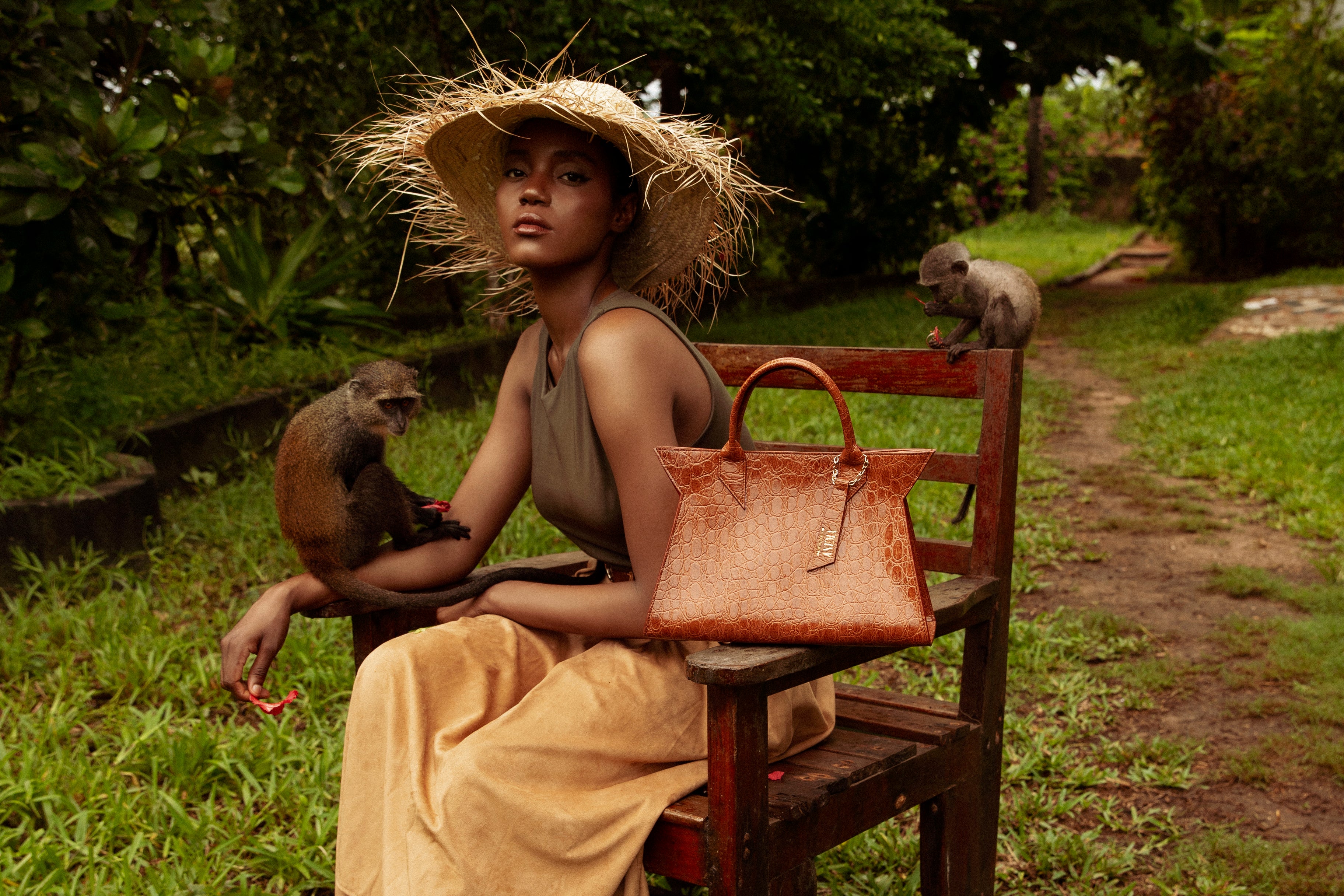
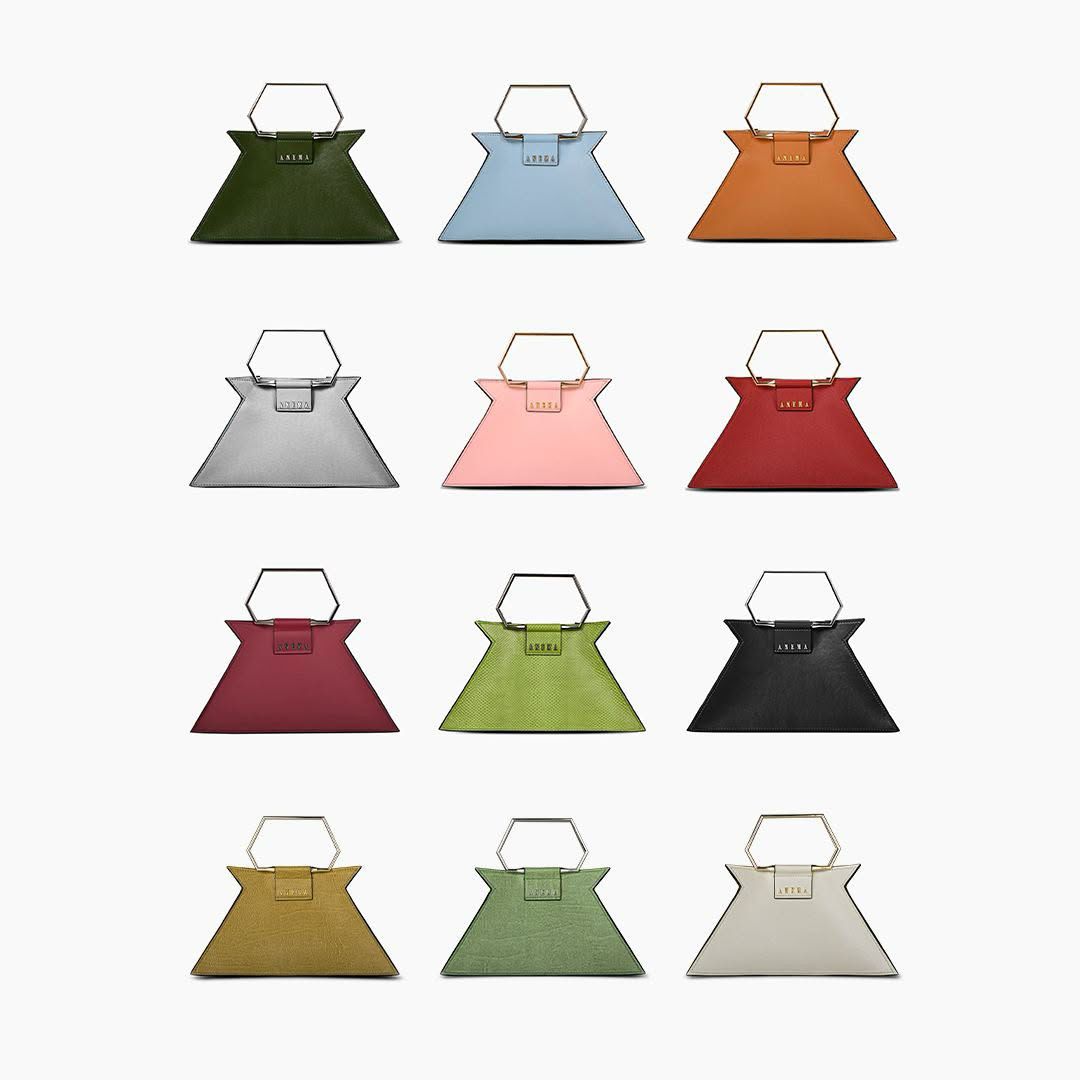
Leather goods are the segment where vegan innovation is most visible. New bio-based materials have made it possible to produce eco-sustainable vegan bags with an aesthetic quality that is comparable to or superior to traditional leather.
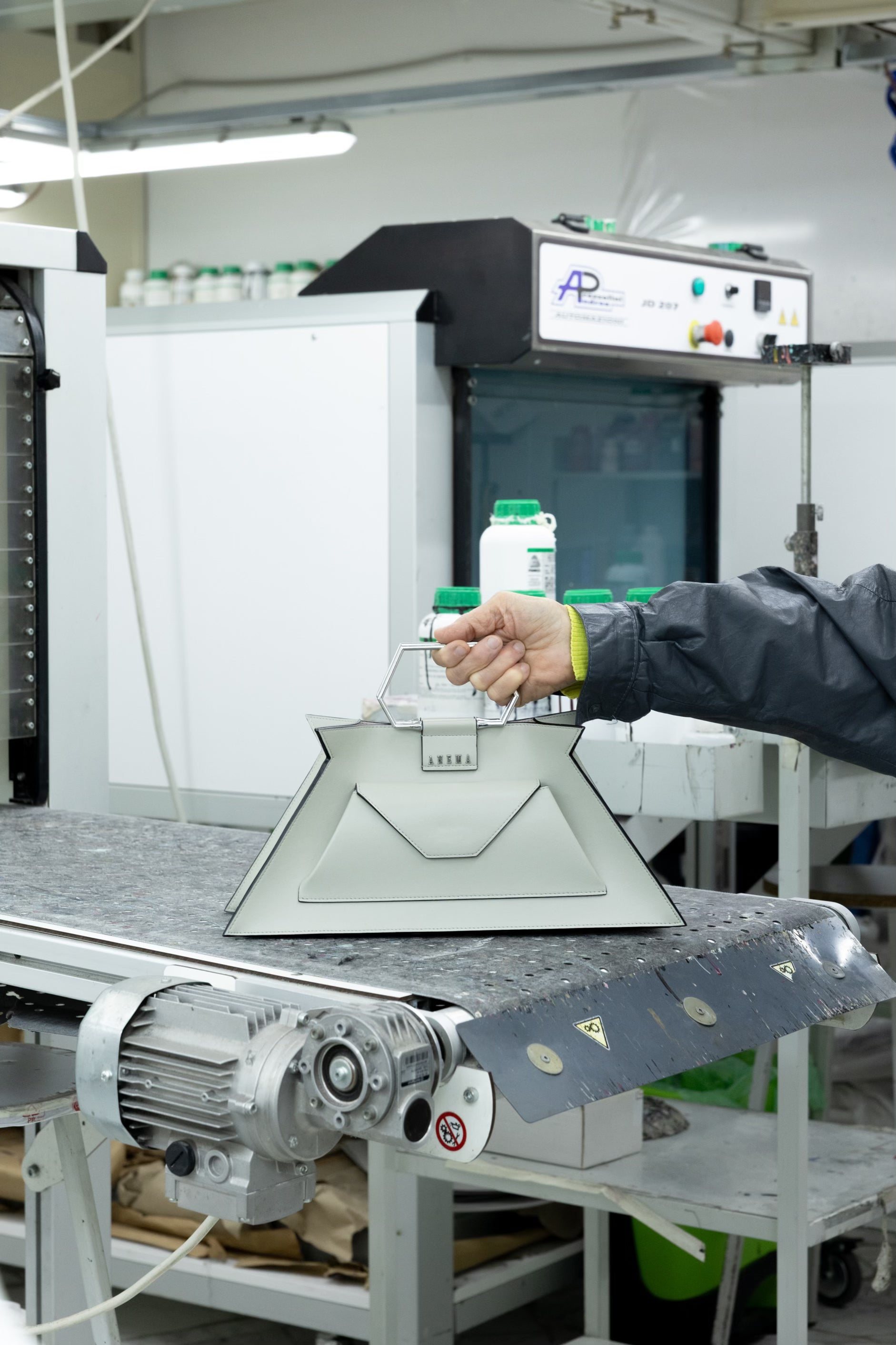
Several artisanal workshops and niche brands specializing in vegan leather goods operate in Italy, often with local production and short supply chains.
Vegan clothing
In the clothing segment, Italian vegan fashion focuses mainly on garments made from natural plant fibers and recycled materials. Some brands have completely eliminated wool and silk from their collections, replacing them with plant-based alternatives.
Vegan footwear
Footwear represents one of the most complex challenges for vegan fashion. Leather has always been the dominant material in the sector, and alternatives must guarantee not only aesthetics but also comfort, breathability, and resistance to daily use.
Vegan fashion and sustainable fashion: the differences
The confusion between vegan fashion and sustainable fashion is understandable, but the two concepts do not coincide. Vegan fashion deals with the animal origin of materials: a product is vegan if it does not contain animal components.
Sustainable fashion considers the environmental impact of the entire production chain, working conditions, CO₂ emissions, water consumption, and waste management. The most complete approach seeks the intersection between these two visions.
The future of vegan fashion: trends and innovations
The vegan fashion sector is evolving rapidly. On the materials front, research is producing increasingly sophisticated alternatives. In addition to those already mentioned, materials such as banana leaf leather, algae fabrics, and fibers produced by bacteria through fermentation are gaining ground. Furthermore, digital traceability is emerging as a tool to document the entire production chain and make vegan and sustainability claims verifiable.
FAQ
Is vegan fashion more expensive than traditional fashion?
Not necessarily. New-generation bio-based materials have production costs comparable to quality leather. The final price depends heavily on the supply chain, the quantities produced, and the brand's positioning.
How can I check if a brand is truly vegan?
Look for verifiable third-party certifications, read the material information on the product page, and check if the brand publishes information about its supply chain. Transparency is the most reliable sign to understand everything better
Are bio-based vegan materials biodegradable?
It depends on the material and the production process. Some bio-based materials are partially or fully biodegradable under the right conditions. Checking the manufacturer's technical specifications is the most accurate way to get an answer.
Conclusion
Vegan fashion in Italy is no longer a market niche reserved for a few, but has become a mature segment, with structured brands, innovative materials, and increasingly informed consumers.
Knowing the materials, knowing how to read certifications, and distinguishing between veganism and sustainability are skills that change the way we shop. The future of Italian vegan fashion lies in quality, transparency, and innovation. Three values that are also at the heart of the Italian artisanal tradition.

Written by Francesco Esposito