


Slow fashion and fast fashion: all the differences you need to know
Two words, two worlds. They enter a wardrobe and tell two completely different ways of conceiving fashion, consumption, time itself. Fast fashion has dominated recent decades, imposing dizzying production rhythms and extremely low prices. Slow fashion is the cultural, economic, and ethical response to that model.
What is fast fashion and why has it conquered the world
Fast fashion is the production model that over the last thirty years has revolutionized the clothing industry. Low prices, extremely fast production times, new collections every few weeks instead of twice a year. Numerous brands have built empires on a seemingly winning principle: give the consumer what they see on the runway, at a tenth of the price, within a few days.
The mechanism is well known. Trends are copied in real time, production is outsourced to countries with extremely low labor costs, the materials chosen are the cheapest on the market. The logistics are those of the global trade giants. The result? T-shirts for 3 euros, jeans for 15, entire dresses for less than 25. A price revolution that has “democratized” fashion.
According to the most recent data, today we buy more than 68 garments a year. We have six times more clothes than twenty years ago, but we keep them for half the time. And we have only just begun to hint at the problems of fast fashion.
What is slow fashion and what philosophy does it represent
To understand the meaning of slow fashion, we need to take a step back. Where fast fashion accelerates, slow fashion slows down. Where fast fashion aims for volume, slow fashion aims for value. Where fast fashion outsources, slow fashion reconnects with territories, with artisans, with traceable supply chains.
It is a complete cultural approach that rethinks the relationship between those who produce and those who consume. Fewer pieces, made better, designed to last. Quality materials, often natural or innovative. Limited production, sometimes artisanal, almost never mass-produced on a very large scale. Transparency in the supply chain: where the fabrics come from, who works them, and under what conditions.
The term was coined by the British scholar Kate Fletcher in 2007, explicitly inspired by Carlo Petrini's slow food. The analogy is not accidental. Both movements reject the logic of continuous acceleration and propose a return to the natural time of things: the time of cultivation, the time of production, the time of use.
The true cost of fast fashion: what is behind a 5-euro garment
Here we enter the heart of the matter. Why if a production model manages to offer garments at such low prices, someone is paying. The question is: who?
Environmental impact: the textile industry among the most polluting in the world
The numbers are known but always shocking. The textile industry is responsible for about 10**% of global CO2 emissions**. To produce just one pair of jeans requires about 7,500 liters of water. 20% of the planet's industrial water pollution comes from dyeing and fabric treatments.
Then there is the problem of microplastics. A large part of fast fashion garments is made of polyester, nylon, acrylic: all petroleum derivatives. With every wash, these fabrics release plastic microfibers that end up in the oceans, in the food chain, inside us. Hundreds of thousands of tons every year.
And at the end of their life? Most garments end up in a landfill or are burned. It is estimated that worldwide a truck full of clothes is thrown away or incinerated every second. One second.
Working conditions and human rights: the price of low-cost fashion
The collapse of Rana Plaza in Bangladesh, in 2013, showed the world what many already knew: behind cheap t-shirts there is often an exploitative supply chain. Over 1,100 workers died in a textile factory. Wages of a few euros a day, grueling shifts, often documented child labor, factories without safety measures.
Since then something has changed, but not enough. Supply chains remain opaque, certifications are often self-declared, the pressure on price always falls on the weakest link in the chain.
Quality and planned obsolescence: clothes that last one season
There is also a more everyday aspect, less dramatic but equally significant. Fast fashion garments are designed to last a short time. Thin fabrics that deform after a few washes, seams that give out, colors that fade quickly.
And so our wardrobe fills up with disposable objects, with which no real relationship is built. Clothes bought on impulse, worn a few times, forgotten. A model that does not work for who wears it, does not work for who produces it, does not work for the planet. Yet it has been going on like this for decades.
Slow fashion vs fast fashion differences: the direct comparison
Let's try to summarize the main differences between slow fashion vs fast fashion clearly. Not for ideology, but to give an orientation map.

On the front of production rhythms, fast fashion launches 52 micro-collections a year. Slow fashion works with natural rhythms, often seasonal, sometimes with timeless pieces designed to stay. On materials, the first chooses the cheapest possible, usually polyester, acrylic, conventional cotton. The second prefers quality fabrics.
On costs, the difference is evident but must be read. A slow garment costs more per piece, but lasts years instead of months. On the cost per use - an ignored but illuminating parameter - it is often more advantageous.
On the ethical front, fast fashion operates in opaque and outsourced supply chains. Slow fashion claims traceability, publishes its certifications, collaborates with local artisans. Finally, the approach to the consumer: those who do fast fashion sell the greatest number of pieces possible. Those who do slow fashion build a relationship, tell a story, educate on conscious purchasing.
They are two industrial, economic and human projects completely different.
The concrete advantages of slow fashion in daily life
Let's move on to the practical advantages of slow fashion:
- Superior quality. A well-made slow fashion garment has sturdy seams, resistant fabrics, cuts designed to enhance who wears it. It lasts years, ages well, maintains its appearance and shape. A real investment instead of a repeated expense.
- Functional wardrobe. Those who follow this approach tend to build an essential wardrobe, with pieces that talk to each other, that match, that respond to concrete needs. Fewer choices in the morning, more overall stylistic coherence. The opposite of the anxiety of a full wardrobe but "having nothing to wear".
- Personal identity. Slow fashion garments tell something. Who makes them, with what materials, in what territory.
- Ethical coherence. For those who have chosen to support certain values - respect for animals, environmental attention, equity - switching to a conscious fashion means aligning purchases and beliefs.
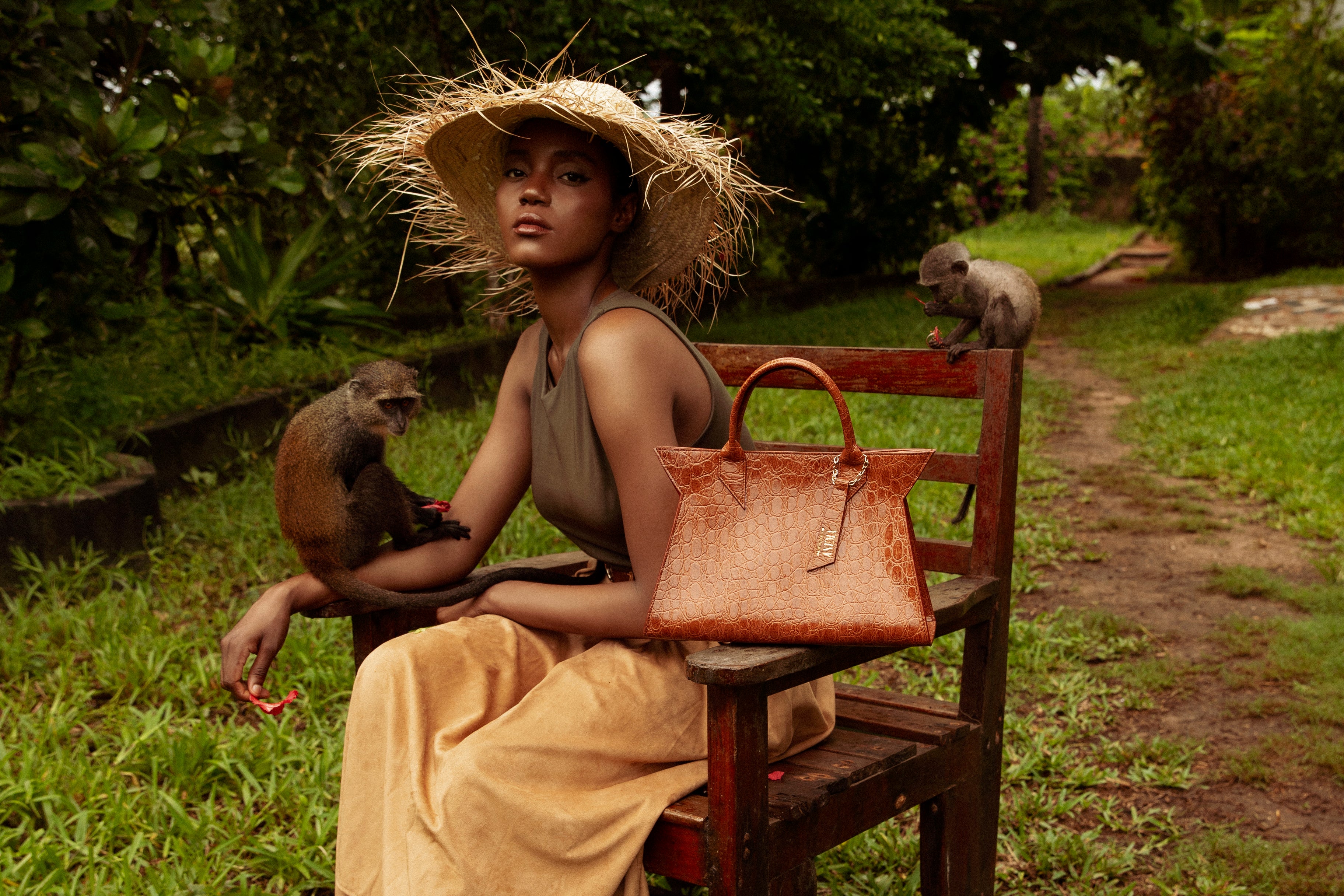
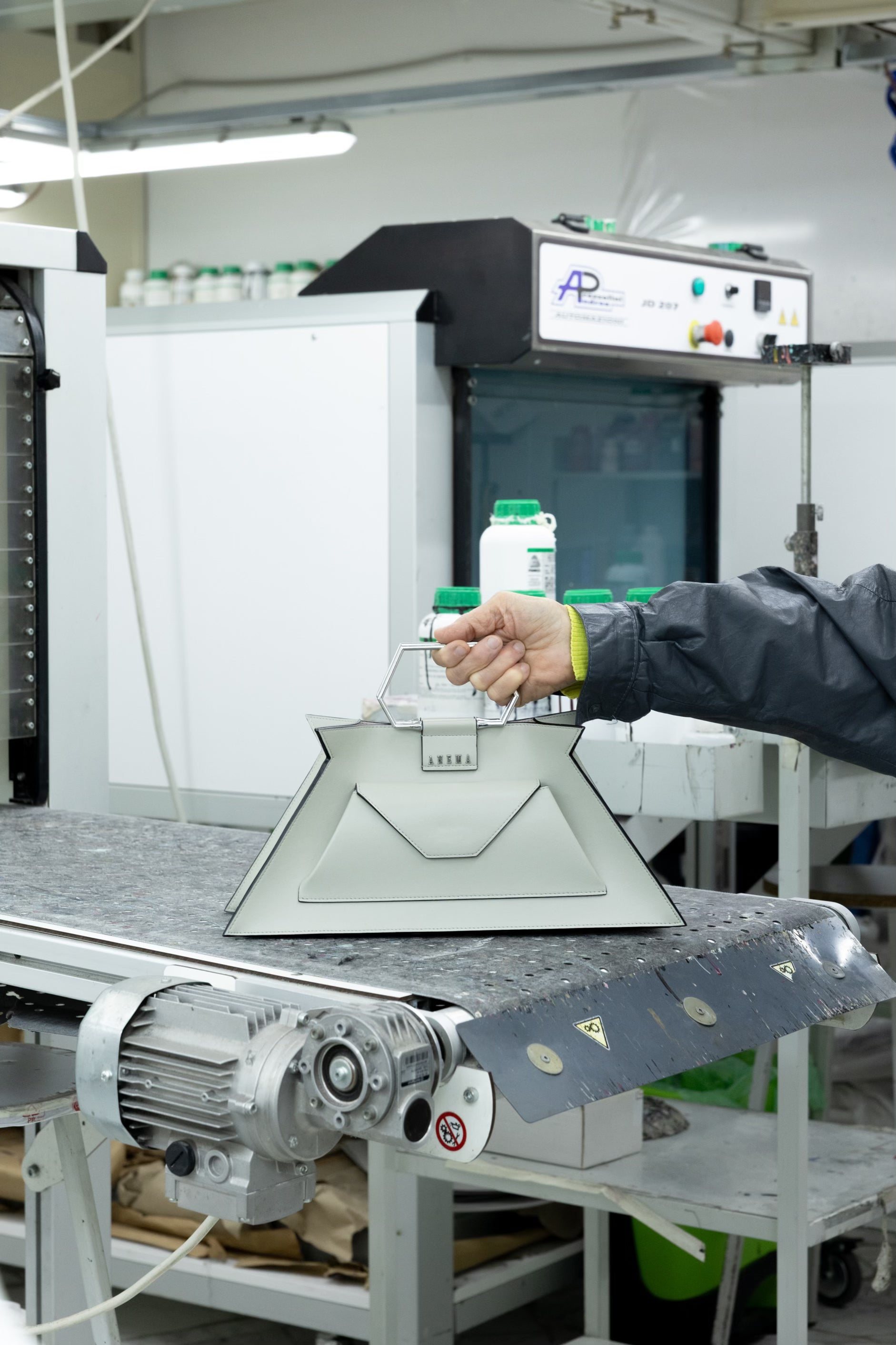
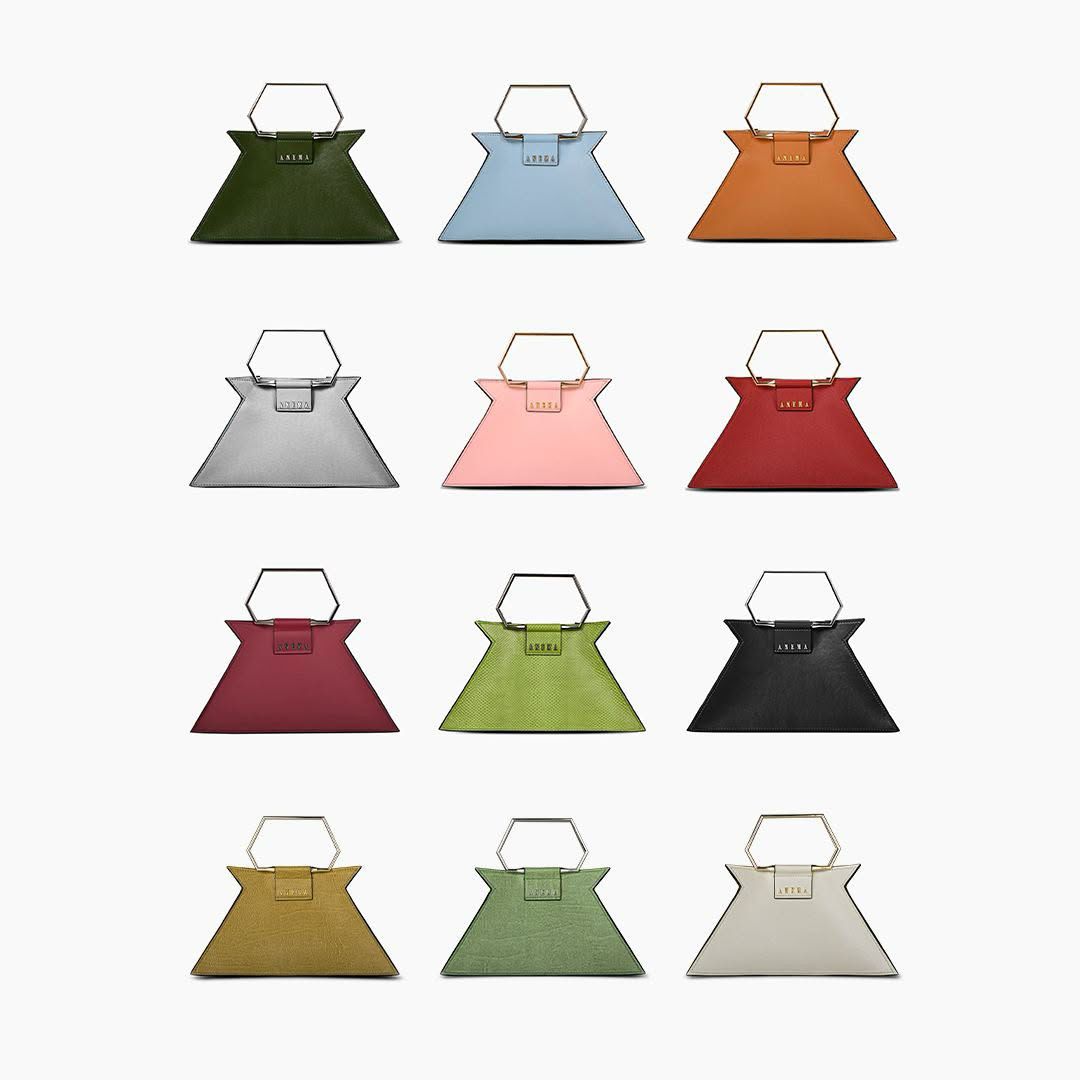
Today more and more brands embody this philosophy, like Anema Bags. The eco-sustainable vegan bags are designed exactly in this direction: pieces that last, innovative materials, real craftsmanship. The whole thing told with transparency with our idea of slow fashion.
How to switch to conscious fashion: 5 practical tips to start
Conscious fashion is built one piece at a time. The first step is perhaps the best known, but it is worth repeating: buy less and buy better. Faced with every potential purchase, let's try to ask ourselves if we will really need it, if it will match with other pieces in the wardrobe, if we will wear it at least thirty times. If the answer is "maybe not", it is probably a no.

Then there is the theme of labels, which almost no one really reads. Yet inside it is written everything needed for an initial evaluation: fabric composition, country of production, any certifications.
Another important aspect is the choice of materials. For accessories, today we have at our disposal a whole new generation of plant-based leathers that until a few years ago did not even exist, such as cactus fiber bags, apple peel accessories, certified organic hemp bags, recycled material bags.
Another golden rule is aiming for timeless pieces. Classics always match, last decades, often acquire character over the years. A completely different logic compared to that of the "use and throw away" garment.
Finally, a tip: learn to know the transparent brands, which tell the supply chain and show materials and certifications.
Made-to-order fashion production and small series: the new frontier of waste reduction
A chapter that deserves attention is that of production on demand of fashion, also known as made-to-order. It is the perfect antithesis of fast fashion overproduction: it is not produced for the warehouse, it is produced on request. Every piece is born for a specific person.
The environmental advantage is enormous: nothing remains unsold. The advantage for the customer is equally interesting: the piece is unique, often customizable, always fresh from production. And the artisan has the possibility to work with human times, to take care of every detail.
The one-of-a-kind hand-painted bags by Anema represent this philosophy. Single pieces, unrepeatable, in which sustainable material and artisanal technique meet.
FAQ
What exactly does slow fashion mean?
It is an approach to fashion that privileges quality, ethics, sustainability, and durability over speed and quantity. It opposes the logic of fast fashion in every dimension: materials, processes, times, relationship with who buys.
How do you recognize an authentic slow fashion brand?
Total transparency on the supply chain, certifications verifiable by third parties, materials declared in detail, limited or made-to-order productions, coherent storytelling of its philosophy. If these elements are missing, you need to investigate.
Can fast fashion become sustainable?
It is the big question of the sector. Some brands are trying with "conscious" or "green" lines, but as long as the industrial model remains based on ultra-volumes and ultra-low prices, the contradictions will remain. A structural change is needed, not cosmetic.
Final reflections
Slow fashion and fast fashion are not two competing styles, but two different ways of approaching style and time. The good news is that each of us can choose. The true change, in the end, has always started like this. One step, then another.

Written by Francesco Esposito


