


Hemp fabric: properties and benefits in sustainable fashion
If we had to choose a natural fiber that symbolizes the contemporary sustainable revolution, hemp would undoubtedly be at the top of the list. It is a raw material that reflects our needs today: it grows with very few resources, lasts for decades, and has precise technical characteristics and properties. Yet for so long it was almost forgotten, paradoxically in Italy, which during the first decades of the twentieth century was one of the world's leading producers.
What is hemp fabric and why is it conquering sustainable fashion
Hemp fabric is made from the fibers of the Cannabis sativa stem: we are talking about industrial hemp, a variety grown exclusively for textile, food, and cosmetic use.
The plant has been cultivated for millennia. In Italy, until the 1950s, we were second only to the Soviet Union in production: Italian hemp was famous worldwide for its superior quality. Then, due to regulatory changes and the arrival of synthetic fibers, cultivation was gradually abandoned. Only in recent years is the sector being reborn, driven precisely by the demand for sustainable materials.
The properties of hemp fabric are the result of millions of years of plant evolution. Hemp had to adapt to harsh climates, pests, and extreme conditions. And the characteristics that allowed it to survive in nature are exactly those that make it so extraordinary as a textile fiber.
The unique properties and characteristics of textile hemp
Let's get into the details, because there is a lot to say here. Hemp is, technically, the strongest natural fiber of all. It is not an exaggeration, it is a measurable fact: the tensile strength a hemp fiber can withstand before breaking is greater than that of cotton, linen, and even many synthetic fibers. For centuries, nautical ropes were made of hemp for this very reason.
Antibacterial hemp is another distinctive feature. The fibers have intrinsic antibacterial properties, due to the presence of natural compounds that inhibit the proliferation of bacteria and fungi.
It is interesting to note that hemp naturally blocks a significant portion of solar radiation, protecting both the wearer and the fabric itself. This explains why dyes applied to hemp retain their vibrancy and depth for years.
Other aspects not to be underestimated are breathability (it absorbs sweat and keeps the skin dry) and biodegradability (100%). A fabric for all seasons, in the most literal sense of the term.
Hemp vs cotton: which fiber to choose for your accessories
The hemp vs cotton issue deserves a closer look, because cotton has always been considered the standard for natural fibers and therefore the most obvious benchmark.

Let's start with the environmental impact of cultivation, which is perhaps the most telling comparison. To produce one kilogram of cotton, approximately 10,000-20,000 liters of water are needed, according to the most cited data. To produce one kilogram of hemp, about 300-500 liters are enough. Hemp also grows without the need for pesticides or herbicides - its natural properties keep pests away - while conventional cotton is one of the most polluting crops in the world, responsible for 16% of global pesticide use.
From a technical point of view, hemp is about three times stronger than cotton. A hemp garment lasts significantly longer before showing signs of wear, retains its shape, and withstands repeated washing better. Cotton is softer to the touch, this is true, but with every wash hemp becomes progressively softer, acquiring that "perfect dress" feel that only well-aged fabrics can give.
Hemp in high-quality leather goods and bags
Hemp has established itself as a choice of excellence also in contemporary leather goods, as a standalone option with its own specific charm. The properties of hemp bags are unique and make them particularly suitable for certain types of accessories: structured shoppers, casual bags, and minimalist or boho-style models.
The fabric has a characteristic texture - slightly textured, visibly natural - that immediately tells the story of its plant origin. It is precisely this authenticity that appeals to those looking for a conscious and recognizable style.
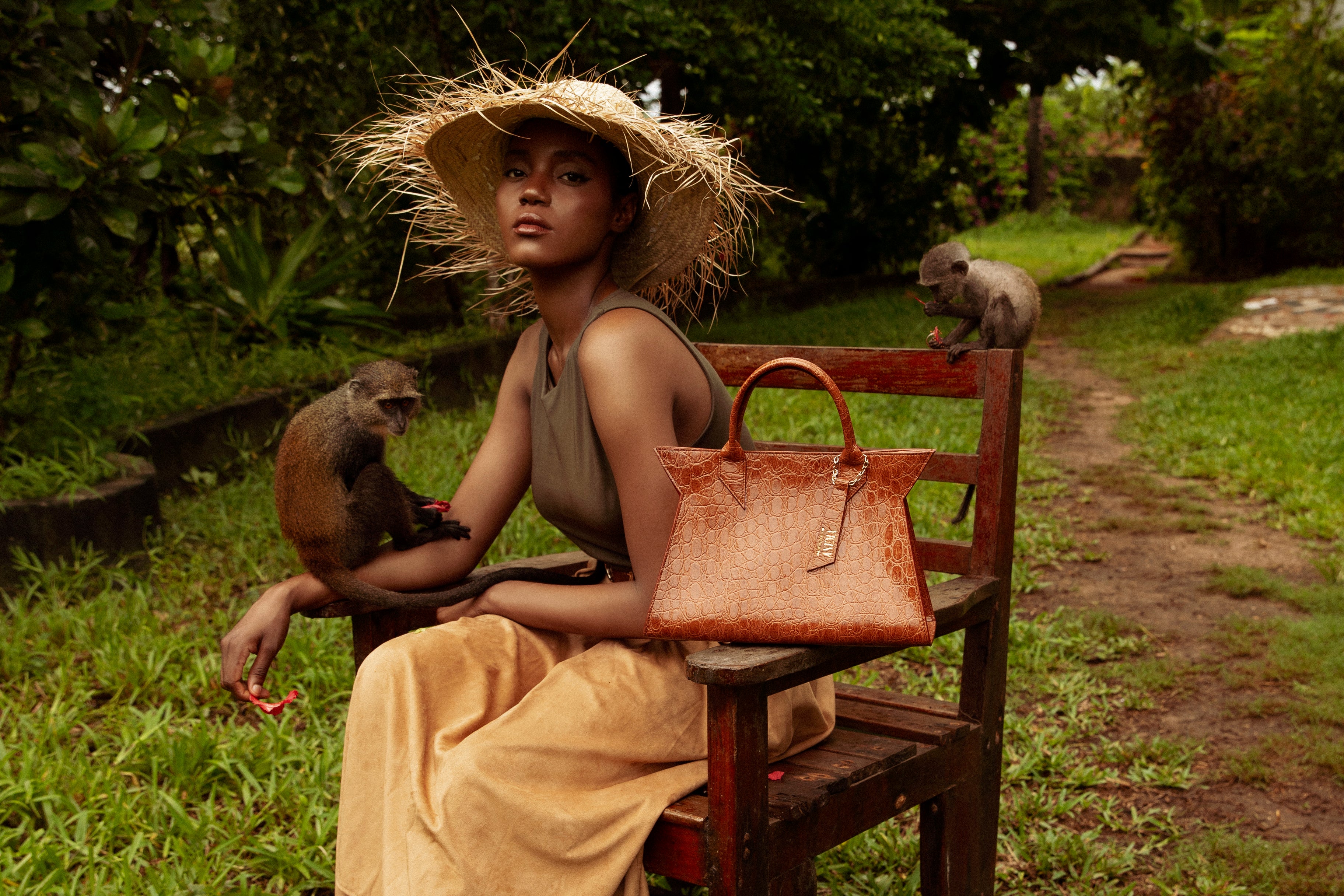
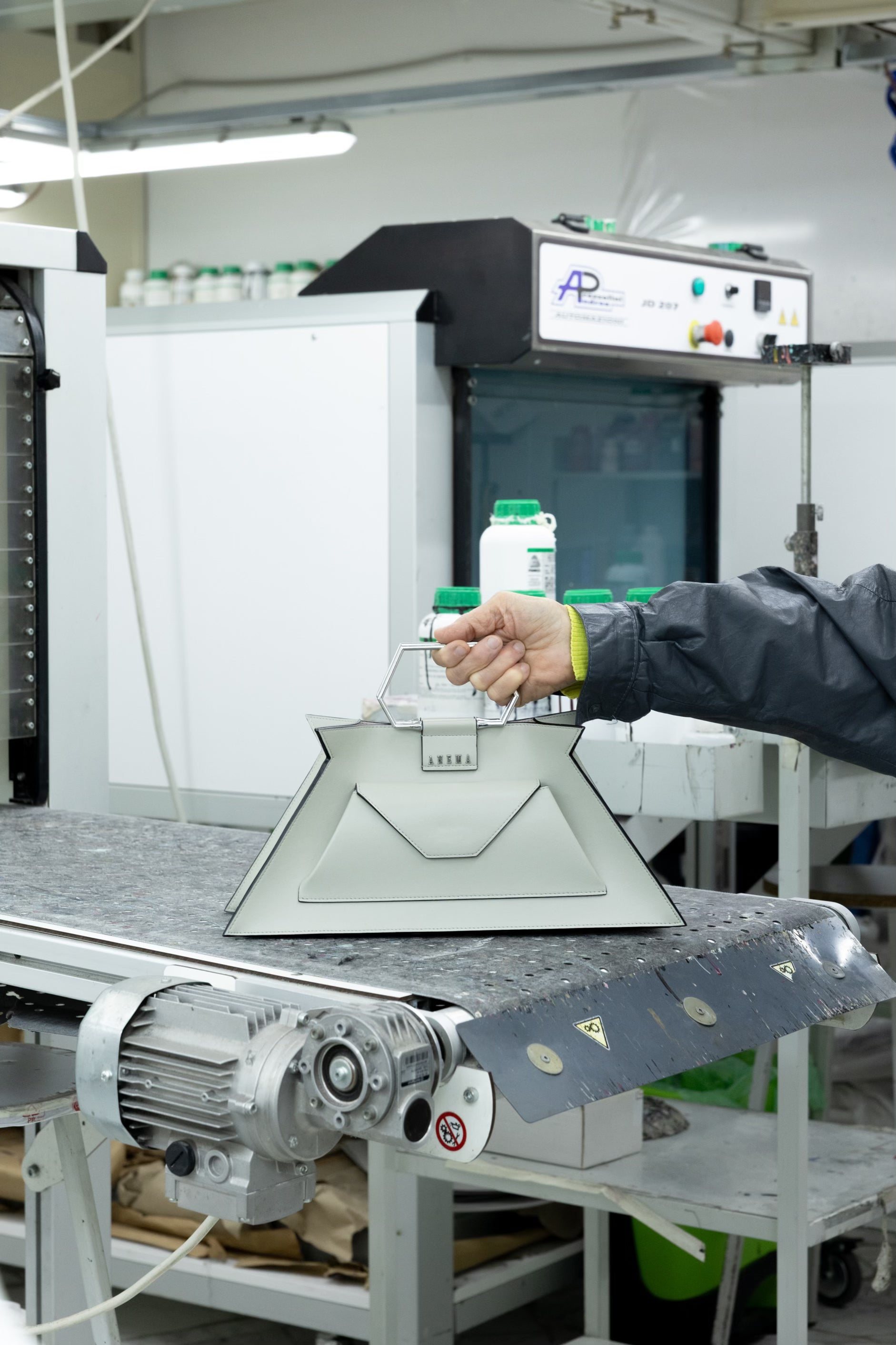
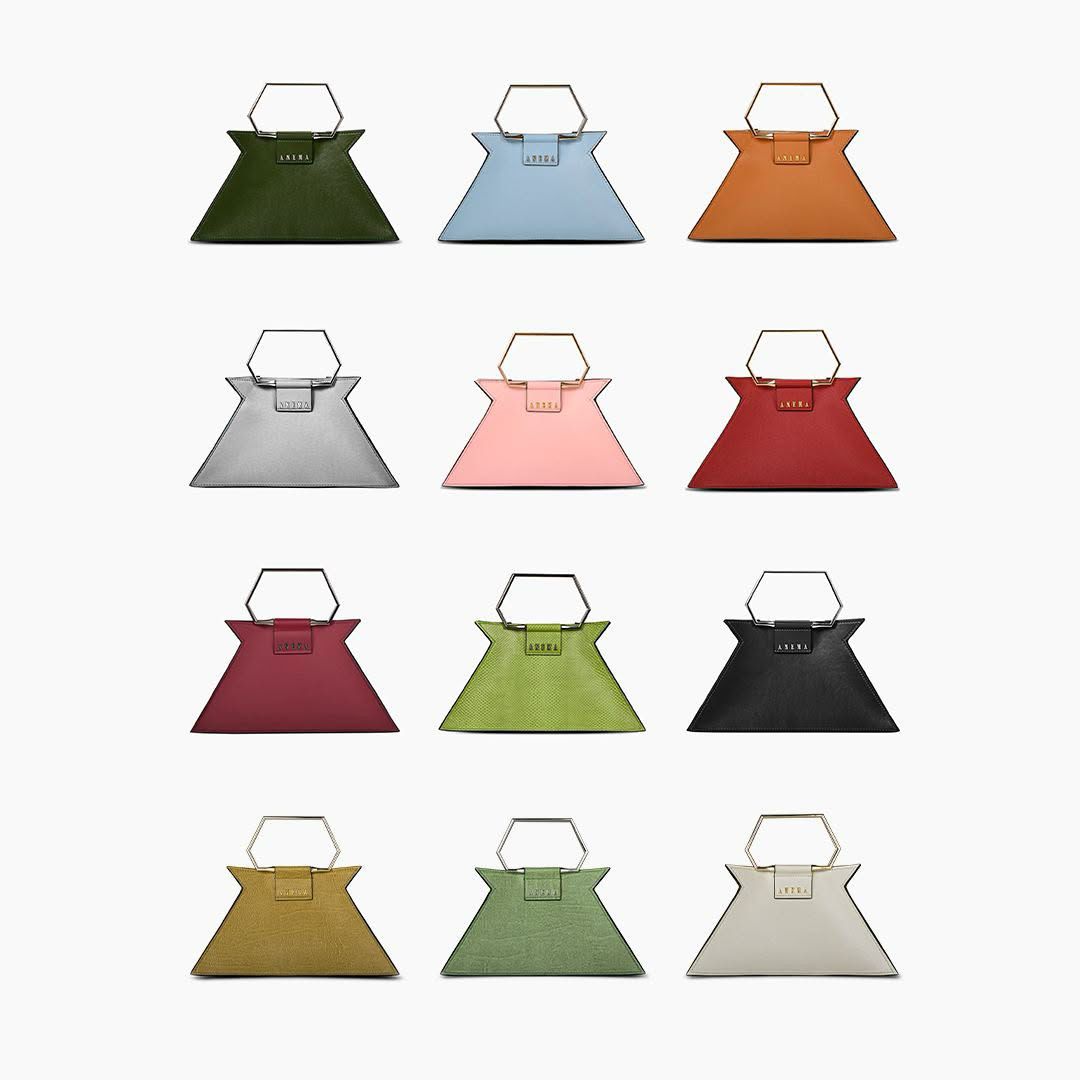
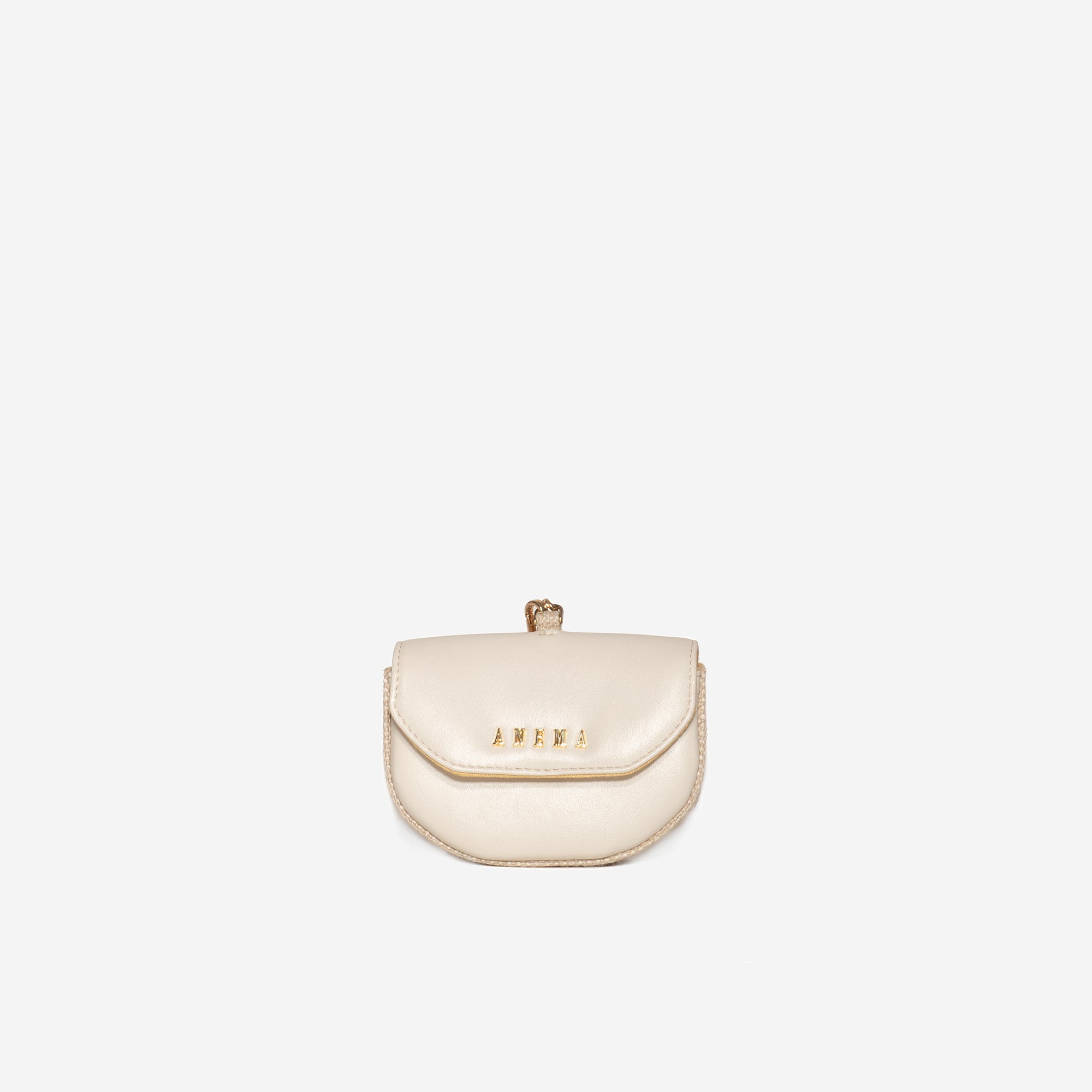
Anema Bags has included models in organic Italian hemp in its collection, often combined with other plant-based leathers in highly distinctive hybrid creations. The hemp bags take the best from the material and enhance it through Neapolitan craftsmanship, giving life to accessories designed to truly last for years, not seasons. The durability of hemp fabric is one of its strongest points: with minimal care, a hemp bag can withstand decades of daily use.
For those looking for accessories that combine several innovative materials, it is worth also taking a look at the sustainable vegan bags and the cactus fiber bags in the collection.
GOTS certification and organic hemp: why certifications matter
As with all agricultural raw materials, the cultivation method makes a huge difference. GOTS organic hemp - that is, certified according to the Global Organic Textile Standard - is the most reliable guarantee currently available on the market.
The GOTS certification covers the entire supply chain, from cultivation to the finished product. This means that the hemp was grown without pesticides or synthetic chemical fertilizers, that the manufacturing processes respected certain environmental standards, and that working conditions in the factories were also monitored: it is one of the strictest textile certifications in the world.
Why should we find out? Because non-certified hemp and certified organic hemp can be very different products from each other. The former may have undergone heavy chemical treatments, non-sustainable dyes, and opaque processes. The latter guarantees consistency between promise and reality.
In addition to GOTS, for those looking for cruelty-free products, the PETA Approved Vegan certification ensures that no material of animal origin was used in the production of the finished product. Two complementary certifications that together tell a story of a transparent and verified supply chain.
Care and maintenance of hemp bags: how to make them last over time
Hemp is a robust material, but a few maintenance precautions always come in handy.

For bags, rather than washing, localized cleaning is needed. A soft, slightly damp cloth, possibly with a little very diluted neutral soap, solves most stains. For plant-based leather finishes or delicate stitching, it is best to avoid excess water.
Storage is as important as cleaning. When the bag is not in use, it is best to store it in a cotton or raw canvas bag, inside the closet, away from direct heat sources. A small practical tip: filling it slightly with tissue paper or a fabric bag helps maintain its shape over time.
FAQ
How long does a hemp bag last?
With proper maintenance, we are talking about many years of intensive use. Hemp is the strongest natural fiber we know, and if the supply chain is of quality - with certifications such as GOTS - the durability is truly remarkable.
Is hemp waterproof?
Not completely, but it has good moisture resistance. In the event of light rain, nothing happens, it is enough to dry it with a cloth afterwards. For prolonged exposure to water, it is best to avoid it, as with most natural fabrics.
Does hemp fabric cause allergies?
On the contrary, it is one of the least allergenic fabrics of all, precisely thanks to its natural antibacterial properties. It is often recommended for those with sensitive skin or dermatitis, and it is hypoallergenic by definition.
Conclusion
The rediscovery of hemp makes us reflect. A fiber we had abandoned for decades and which now reminds us how generous nature has already been even before we started inventing synthetic alternatives. Robust, sustainable, antibacterial, breathable, biodegradable: a concentrate of quality in a single plant.

Written by Francesco Esposito


